Managing Allergies in Dogs and Cats: Pike Road Summer Guide
Managing Allergies in Dogs and Cats: Pike Road Summer Guide
Summer in Pike Road brings warm weather, lush blooms, and unfortunately, a spike in allergies not just for people but for our dogs and cats as well. If you notice your pet scratching more than usual or dealing with watery eyes and sneezing as the heat and humidity rise, you’re not alone. Seasonal allergies can make life uncomfortable for pets, especially during Pike Road’s hot, damp June days. Understanding what causes these symptoms, how to spot them early, and what you can do to help your four-legged family members can make all the difference in keeping them healthy and comfortable.
At Partners for Pets, located at 11123 Chantilly Parkway Unit G, Pike Road, AL 36064, our veterinary team sees many cases of pet allergies each summer. This guide will help you recognize common allergy symptoms in dogs and cats, explain why allergies flare up in our region, and outline the steps you can take at home and with your veterinarian to manage your pet’s symptoms. We’ll also share when it’s time to schedule an appointment with our veterinary professionals for a thorough check and relief plan. Our goal is to help you enjoy the season with your pet, free from the discomfort allergies can bring.
Recognizing Allergy Symptoms in Dogs and Cats
Knowing how to spot pet allergies early is the first step to ensuring your dog or cat doesn’t suffer unnecessarily. The most common signs of allergies in dogs and cats include persistent scratching, licking, or chewing at their paws and body. You may also notice red, inflamed skin, especially around the ears, feet, belly, or face. Some pets develop recurrent ear infections or shake their heads frequently due to itchiness. In addition to skin problems, allergy symptoms can include watery eyes, sneezing, and a runny nose. For some pets, allergies cause gastrointestinal upset, like vomiting or diarrhea, although this is less common in cats than in dogs.
If your dog or cat seems restless at night, is losing fur in patches, or develops sores from excessive scratching, these can also be warning signs that allergies are at play. Sometimes, pets with allergies develop secondary infections because the skin’s natural barrier is broken from scratching or licking. If you notice any of these symptoms, especially if they persist for more than a few days, it’s important to consult with a veterinarian to get to the root of the problem.
Why Do Allergies Flare Up in Pike Road’s Summer?
Pike Road’s summer is known for high humidity, rising temperatures, and abundant plant growth. These conditions can trigger allergies in pets who are sensitive to environmental allergens. The most common triggers include pollen from grass, trees, and weeds, as well as mold spores that thrive in humid weather. Dust mites and flea bites are also major contributors and can be especially problematic indoors or in shaded outdoor areas.
In addition to environmental allergens, some dogs and cats react to certain foods, flea saliva, or household irritants like cleaning products or perfumes. However, in our region, pollen and humidity are the usual suspects behind most summer allergy cases. The skin barrier of pets often becomes more vulnerable during humid months, making it easier for allergens to penetrate and trigger a reaction.
Allergies can develop at any age, but they are most commonly seen in young adult pets. Certain breeds, such as Bulldogs, Retrievers, and Terriers in dogs or Siamese and Devon Rex in cats, may be more prone to allergy issues. It’s also worth noting that allergies tend to worsen over time if not managed, so early intervention is key.
How Your Veterinarian Diagnoses and Treats Pet Allergies
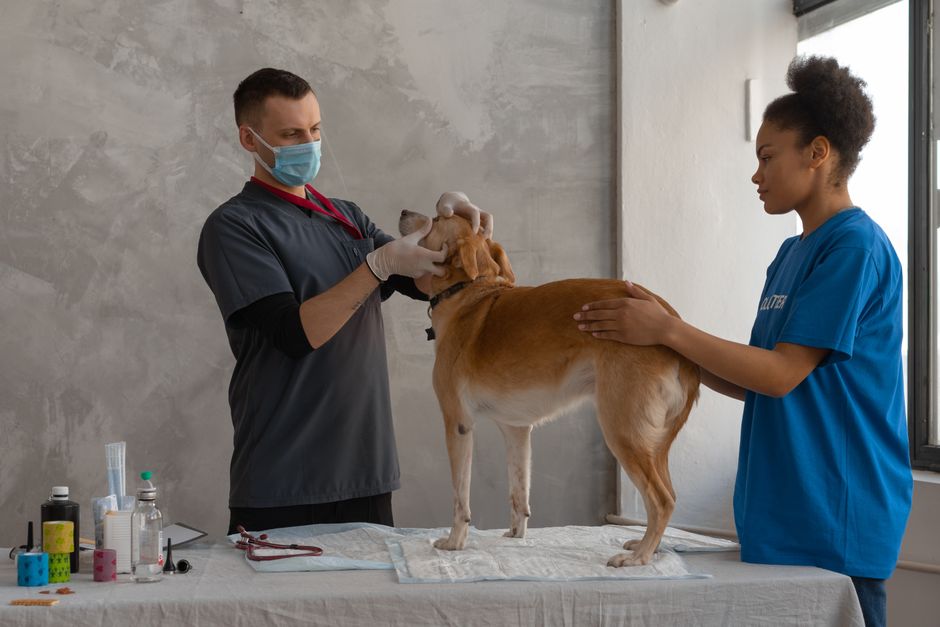
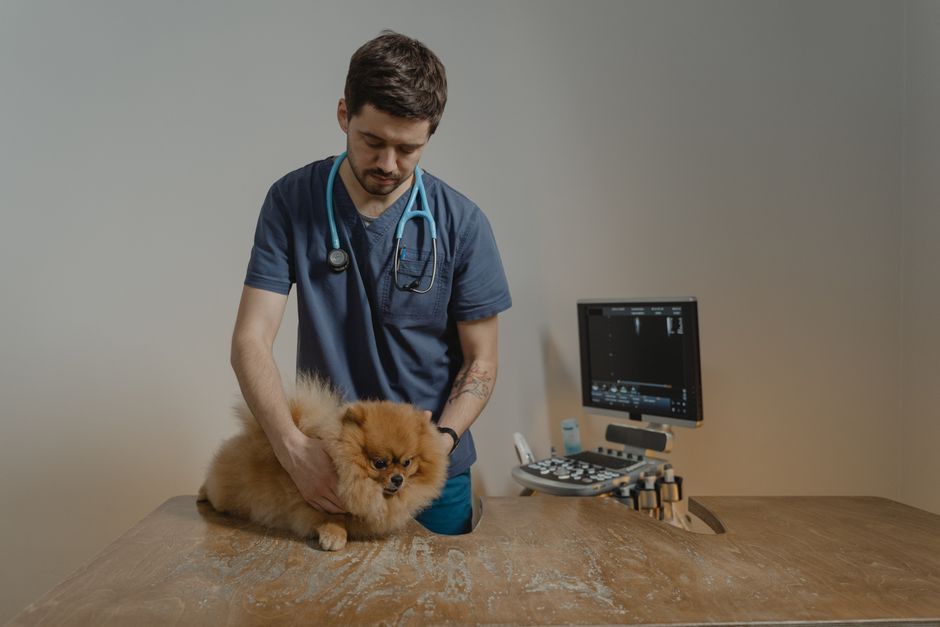
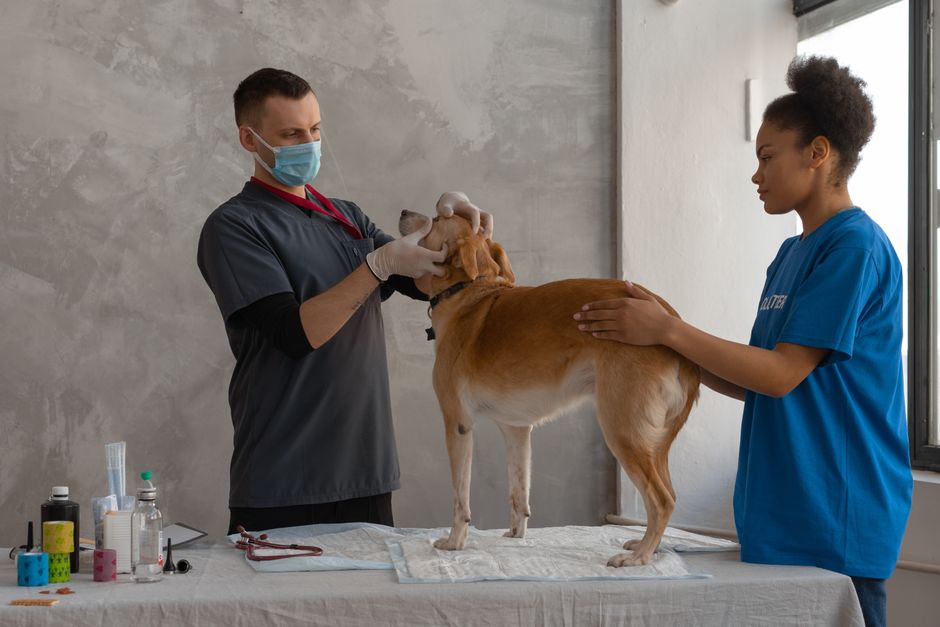
When you bring your dog or cat to Partners for Pets for allergy concerns, our veterinarians start with a complete history and a thorough physical examination. This helps us determine whether your pet’s symptoms are due to allergies or another underlying issue. Sometimes, we recommend specific tests, such as skin scrapings, ear swabs, or blood work, to rule out infections, parasites, or other conditions that can mimic allergy symptoms.
Treatment options for pet allergies depend on the cause and severity of your pet’s symptoms. For mild cases, management may involve antihistamines, medicated shampoos, or topical sprays to soothe irritated skin. In more persistent or severe cases, our team may prescribe oral medications, such as steroids or allergy-specific drugs, to reduce inflammation and control itching. For pets with recurring ear infections, ear drops or regular ear cleanings may be necessary.
If food allergies are suspected, we might recommend an elimination diet, which involves feeding a novel protein or hydrolyzed diet for several weeks to see if symptoms improve. For environmental allergies, allergy testing and immunotherapy (allergy shots or oral drops) can be helpful in some cases, especially when symptoms are severe and difficult to control with routine management.
For ongoing care, regular pet health examinations are crucial. These visits allow our veterinary team to monitor your pet’s progress, adjust treatments as needed, and catch any complications early. Our clinic is equipped to provide in-clinic diagnostics, prescription shampoos, and advanced therapies tailored to your pet’s individual needs.
Home Care and Prevention: Keeping Your Pet Comfortable
While veterinary treatment is essential for managing allergies, there are several steps you can take at home to help your dog or cat feel more comfortable during Pike Road’s challenging summer months. Regular bathing with a gentle, hypoallergenic pet shampoo can help remove allergens from your pet’s coat and reduce itching. Keeping your home clean by vacuuming carpets, washing pet bedding, and using air purifiers can reduce exposure to dust and pollen.
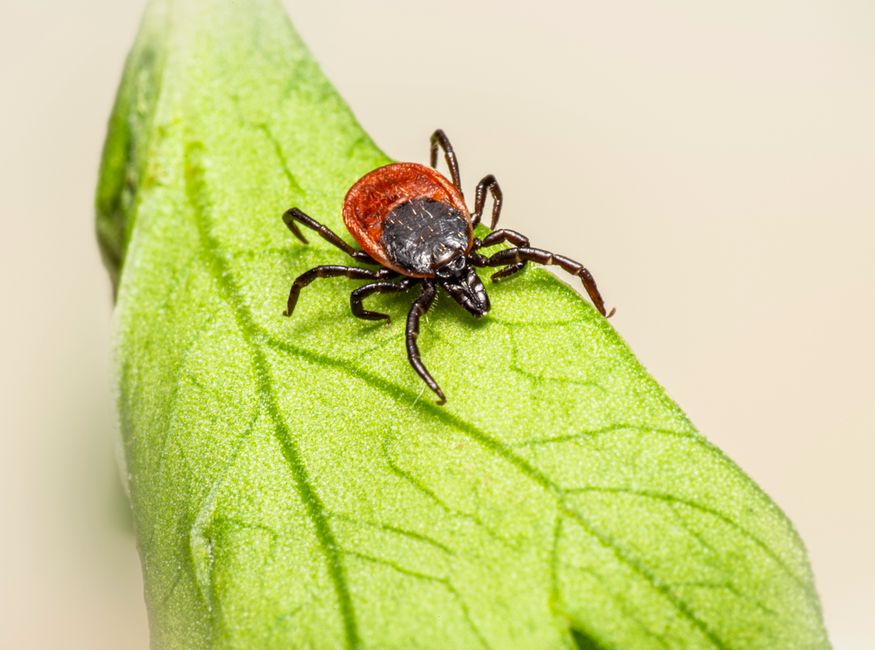
Wiping your pet’s paws and fur with a damp cloth after walks or outdoor play helps remove pollen and other irritants before they can trigger a reaction. For cats, keeping windows closed during high pollen days and providing indoor enrichment can minimize exposure. Ensuring your pet receives regular flea prevention year-round is also critical, since flea bites are a common cause of allergic reactions.
Maintaining regular pet examinations and keeping up with pet vaccination services supports your pet’s overall immune health, making it easier for their bodies to handle environmental stressors. For pets with food sensitivities, sticking to a veterinarian-recommended diet and avoiding table scraps or new treats can prevent flare-ups.
When to Schedule a Veterinary Visit
It’s important to know when home management is not enough and when your pet needs professional help. You should schedule an appointment with our veterinary team if your pet’s itching is constant, skin appears red or infected, or if there are open sores or hair loss. Signs like frequent ear infections, head shaking, or a foul odor from the ears also warrant a veterinary visit. Difficulty breathing, swelling of the face, or sudden onset of severe symptoms require immediate attention, as these can signal a more serious allergic reaction.
If you’re unsure whether your pet’s symptoms are due to allergies or something more serious, our team is here to help guide you. For sudden allergic reactions involving swelling, vomiting, or difficulty breathing, seek emergency veterinary care right away, as these can be life-threatening without prompt treatment.
Remember, allergies can mimic other health problems, including skin infections or parasitic infestations, so a thorough evaluation is essential for proper diagnosis and treatment.
Your Partners in Allergy Relief: Why Choose Partners for Pets
At Partners for Pets, our veterinarians understand how distressing it is to see your beloved dog or cat struggle with allergies. We offer comprehensive allergy diagnostics, targeted treatments, and ongoing support to help your pet enjoy life to the fullest, even during Pike Road’s allergy season. Our team stays up to date on the latest treatments and preventive care strategies, ensuring your pet receives the highest quality care in the region.
Whether your pet needs a professional allergy workup, routine health check, or advice on home care, we’re here to answer your questions and support you every step of the way. Our commitment to preventive care means we don’t just treat symptoms; we work with you to find long-term solutions that keep your pet healthy and happy all year long.
If you’re searching for a "vet near me" who understands the unique challenges of Pike Road’s climate and cares deeply about your pet’s wellbeing, Partners for Pets is here to help. We invite you to schedule an appointment by calling (334) 218-4500 or visiting our hospital at 11123 Chantilly Parkway Unit G, Pike Road, AL 36064. For more information about our preventive care and examination services, explore our pet health examinations page.
Let us help your dog or cat have a comfortable, itch-free summer. Reach out today for compassionate, expert care from your trusted veterinary team at Partners for Pets in Pike Road.