Thunderstorm Anxiety in Dogs and Cats: How to Help
Thunderstorm Anxiety in Dogs and Cats: How to Help
Summer in Pike Road brings beautiful green landscapes—but also the rumble of thunderstorms that can leave many dogs and cats trembling with fear. If your pet hides, shakes, or seems distressed every time the sky darkens, you are not alone. Thunderstorm anxiety is a common and challenging issue for many pet owners in our community. At Partners for Pets, located at 11123 Chantilly Parkway Unit G, Pike Road, AL 36064, we understand how upsetting it can be to watch your beloved companion struggle during summer storms. This guide will help you recognize the signs of storm anxiety, understand what causes it, and learn practical ways to soothe your dog or cat when thunder rolls. We will also cover when to reach out for professional help, so you can keep your pet safe, calm, and comfortable through every Alabama thunderstorm.
Recognizing Thunderstorm Anxiety in Pets
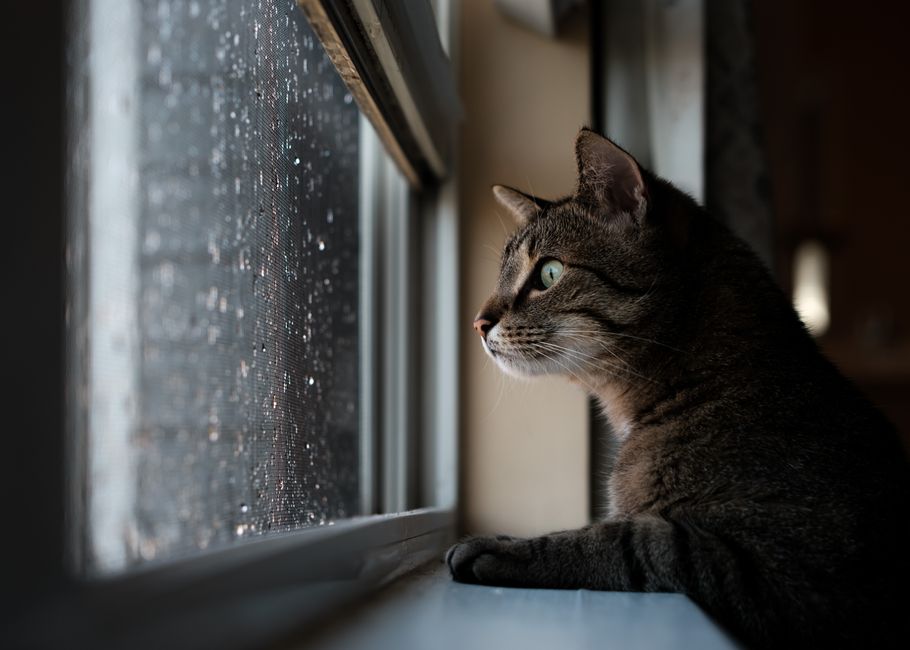
Thunderstorm anxiety does not look the same in every dog or cat. Some pets show clear signs of fear, while others display more subtle changes in behavior. Common symptoms include trembling, pacing, panting, drooling, whining, or hiding under furniture. For some dogs, anxiety may trigger destructive behaviors like chewing door frames or scratching at floors in an attempt to escape. Cats may run for cover, vocalize more than usual, or even stop using the litter box temporarily. Changes in appetite, increased clinginess, and restlessness are also warning signs to watch for. If you notice your pet clinging to you, seeking out small spaces, or showing signs of distress whenever a storm approaches, thunderstorm anxiety may be affecting their quality of life.
In some cases, pets can develop anticipatory anxiety—becoming anxious as soon as they sense changes in barometric pressure or see flashes of lightning. This means your pet might start to show symptoms before the rain even begins. The earlier you recognize these patterns, the better prepared you will be to help your dog or cat cope with their fears.
What Causes Thunderstorm Anxiety in Dogs and Cats?
Thunderstorm anxiety is a complex reaction that can stem from several factors. Many pets have a heightened sensitivity to the sound of thunder, the vibration of the house, or even the bright flashes of lightning. Dogs, in particular, have more acute hearing than humans; the low-frequency rumble of thunder can feel overwhelming and inescapable. Cats, too, are sensitive to changes in their environment and may react to the static electricity and shifting air pressure that accompany storms.
Past traumatic experiences can also play a role. If your pet was ever caught outside during a severe storm or has experienced loud noises in a stressful context, they may associate storms with danger. Genetics and breed tendencies are another consideration; certain breeds are more prone to anxiety disorders and noise phobias. For example, herding breeds like Border Collies and Australian Shepherds are known to be sensitive to loud noises.
In some cases, the buildup of static electricity in your pet’s fur during storms can cause mild discomfort or even small shocks when they touch metal objects, which reinforces their negative reaction to thunderstorms. Understanding the multiple causes of thunderstorm anxiety can help you tailor your approach to managing your pet’s stress.
Professional Treatment Options for Thunderstorm Anxiety
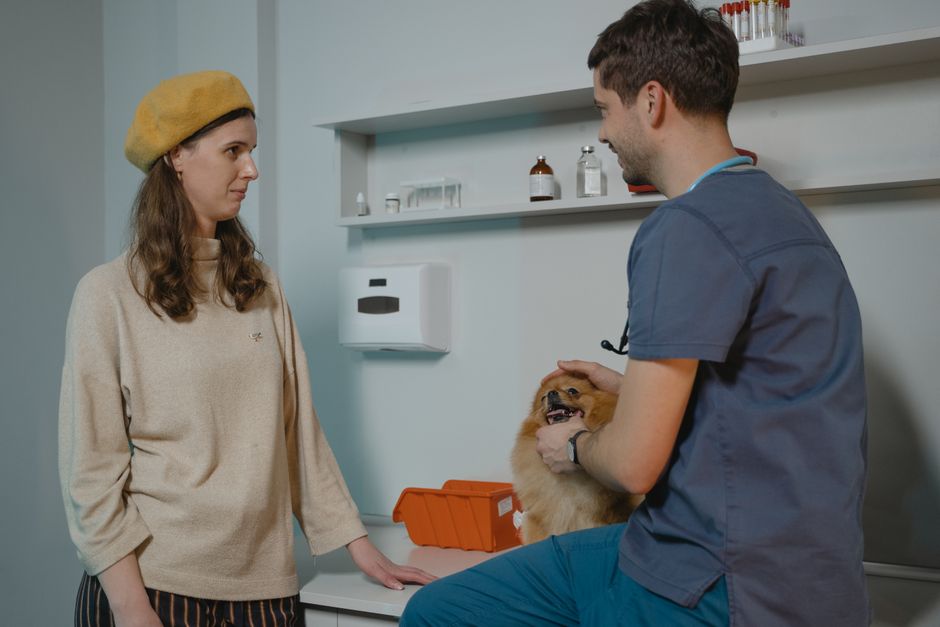
If your dog or cat suffers from intense thunderstorm anxiety, you do not have to face it alone. The veterinary team at Partners for Pets offers several solutions that can make a significant difference in your pet’s comfort and wellbeing. During a wellness examination, we will review your pet’s medical history, discuss the severity of their symptoms, and help you determine the most effective plan for managing anxiety.
One treatment approach involves behavior modification techniques, such as desensitization and counterconditioning. This process gradually exposes your pet to the sounds of storms in a controlled, positive way. Over time, many pets learn to associate thunder with treats, play, or other enjoyable experiences instead of fear.
For pets with more severe symptoms, we may recommend anti-anxiety medications or calming supplements. These options are tailored to your pet’s specific needs and are always prescribed with their safety in mind. Some pets benefit from pheromone diffusers, such as Adaptil for dogs or Feliway for cats, which release calming scents into the environment. In certain cases, pressure wraps like the ThunderShirt can provide gentle, reassuring comfort during storms.
It is important to remember that every pet is unique; what works for one animal may not be effective for another. Our veterinarians will work closely with you to find the right solution for your dog or cat, ensuring they receive compassionate and comprehensive care.
Creating a Calm Environment at Home
There are many practical steps you can take at home to reduce your pet’s storm-related stress. Creating a safe, quiet space is one of the most effective strategies. Many dogs and cats feel more secure in a small, enclosed area such as a crate covered with a blanket, a bathroom, or a closet. Make this space inviting by adding your pet’s favorite bedding, toys, and treats.
Playing white noise, classical music, or a fan can help mask the sound of thunder and create a more soothing atmosphere. Closing curtains or blinds reduces the sudden flashes of lightning that can startle your pet. During storms, try to remain calm and relaxed yourself; pets are highly attuned to their owner’s emotions and may pick up on your anxiety.
Some pets find comfort in gentle touch or close contact, while others may prefer solitude. Allow your dog or cat to choose where they feel safest and avoid forcing interaction if they want to be alone. If you know a storm is in the forecast, exercise your pet earlier in the day to help burn off excess energy, and be sure they have access to food, water, and a litter box in their safe space.
If you are concerned about your pet’s health during a storm, especially if they show signs of severe distress or injury, do not hesitate to reach out for emergency veterinary care at our hospital in Pike Road. Our team is here to support your pet’s health and safety in every situation.
Preventing Storm Anxiety: Early Intervention and Training
The best time to address thunderstorm anxiety is before it becomes severe. For puppies and kittens, gentle exposure to a variety of sounds and experiences can help prevent the development of noise phobias later in life. Playing recordings of thunderstorms at low volumes, paired with treats and playtime, can help young pets learn that these sounds are not threatening.
Consistency is key. If your dog or cat shows mild apprehension during storms, gradually working on positive associations and providing a safe retreat can prevent anxiety from escalating. Avoid punishing fearful behavior, as this can increase stress and make anxiety worse.
Enrolling your pet in training classes or working with a certified animal behaviorist can be helpful, especially if your pet’s anxiety is linked to other behavioral challenges. Our veterinary team can recommend trusted local resources in Pike Road and surrounding communities for additional support.
When to Seek Veterinary Care for Thunderstorm Anxiety
Mild storm anxiety can often be managed at home, but there are times when professional help is essential. If your pet’s fear leads to destructive behavior, self-injury, loss of appetite, or significant changes in daily habits, it is time to consult a veterinarian. Pets who panic so severely that they break out of crates, claw at doors, or urinate indoors may require medical intervention to ensure their safety.
Additionally, if your dog or cat’s anxiety seems to worsen with each storm or is accompanied by other health concerns, a veterinary examination is highly recommended. Underlying medical conditions, such as pain or cognitive dysfunction, can sometimes contribute to anxious behaviors.
At Partners for Pets, we take a compassionate, individualized approach to each case. Our emergency veterinary care services are available for urgent situations, and our team will work with you to develop a comprehensive plan for your pet’s long-term wellbeing. If you ever suspect your pet has ingested something dangerous due to panic, contact us immediately or reach out to the ASPCA Animal Poison Control for emergency guidance.
Supporting Your Pet Through Every Storm
Thunderstorm anxiety can be distressing for both you and your pet, but you do not have to face it alone. Recognizing the signs of anxiety, understanding the causes, and taking proactive steps to create a calm environment can make summer storms less stressful for your furry family members. If your pet needs additional support, the veterinary professionals at Partners for Pets are here to help with a full range of diagnostic and treatment options.
If you are searching for a veterinarian near me who truly understands your pet’s needs, look no further than Partners for Pets in Pike Road. We invite you to schedule an appointment with our compassionate team by calling (334) 218-4500 or visiting our convenient location at 11123 Chantilly Parkway Unit G, Pike Road, AL 36064. Our mission is to help every dog and cat in Pike Road and surrounding communities feel safe, healthy, and loved—no matter what the weather brings.
For more information about our wellness examinations, emergency care, and ongoing preventive health programs, visit our website at partnersforpetsal.com. Together, we can help your pet weather any storm with confidence and comfort.
Medical Disclaimer: The advice provided in this article is for informational purposes only and is not a substitute for professional veterinary care. If your pet is experiencing severe anxiety or any medical emergency, always consult your veterinarian promptly.