Recognizing and Treating Eye Issues in Dogs and Cats
Recognizing and Treating Eye Issues in Dogs and Cats
If you have ever noticed your dog or cat pawing at their face, squinting in bright light, or blinking more than usual, you know how quickly an eye problem can cause concern. During the summer months in Pike Road, AL, environmental allergens, increased outdoor activity, and even sun exposure can all contribute to eye discomfort for our pets. At Partners for Pets, our team understands how distressing it can be to see your pet dealing with red, watery, or irritated eyes. In this comprehensive guide, we will help you recognize common signs of eye problems in dogs and cats, review possible causes, explore treatment options, and share how our veterinary team can help keep your pet's vision healthy year-round.
We are proud to serve Pike Road and surrounding communities from our convenient location at 11123 Chantilly Parkway Unit G, Pike Road, AL 36064. Whether your pet needs a thorough eye examination or urgent care for a sudden issue, our veterinarians are here to provide the expertise and compassion your family deserves.
How to Recognize Eye Problems in Your Dog or Cat
It can be challenging to know when your pet’s eye symptoms are minor or when they signal a more serious problem. Paying attention to changes in your pet’s eyes and behavior is the first step in protecting their vision.
Signs That May Indicate an Eye Issue
Common symptoms of eye problems in dogs and cats include redness or bloodshot eyes, excessive tearing or watery discharge, squinting or closing one eye, pawing at the face or rubbing their eyes on furniture, and visible swelling around the eye. You may also notice cloudiness or a bluish haze over the surface of the eye, a yellow or green discharge, or crust forming in the corners. Sensitivity to light, frequent blinking, and even a sudden reluctance to be touched near the head can suggest discomfort.
In some cases, more urgent signs such as a bulging or sunken appearance of the eyeball, sudden blindness, or visible injury to the eye surface signal a need for immediate veterinary attention. Early detection of these symptoms is crucial for successful treatment.
Common Causes of Eye Problems in Pets
Understanding the potential reasons behind your pet’s eye discomfort can help you take the right steps for their care. Eye issues in dogs and cats can develop for a variety of reasons, ranging from mild environmental irritants to severe infections or injuries.
Allergies, Injuries, and Infections
In Pike Road, the summer brings high pollen counts, dust, and grass seeds that can lead to allergic conjunctivitis or irritation in sensitive pets. Dogs and cats who spend time outdoors may also encounter foreign bodies like plant material or dirt, which can scratch the eye and cause pain or redness. Playful pets are sometimes at risk for accidental trauma, such as scratches from another animal or bumping into a sharp object.
Bacterial and viral infections, such as feline herpesvirus in cats or canine distemper, can also lead to conjunctivitis and other eye issues. Older pets may develop age-related changes like cataracts or dry eye, while certain breeds are more prone to conditions such as cherry eye or entropion (where the eyelid rolls inward).
If your pet’s eye issue is the result of exposure to toxic substances or chemicals, immediate action is needed. The ASPCA Animal Poison Control Center offers valuable resources for poison emergencies.
How Our Veterinary Team Diagnoses and Treats Eye Conditions
When you bring your dog or cat to Partners for Pets for an eye concern, our veterinarians follow a careful and thorough process to diagnose the underlying issue and recommend the best course of treatment.
What to Expect During an Eye Examination
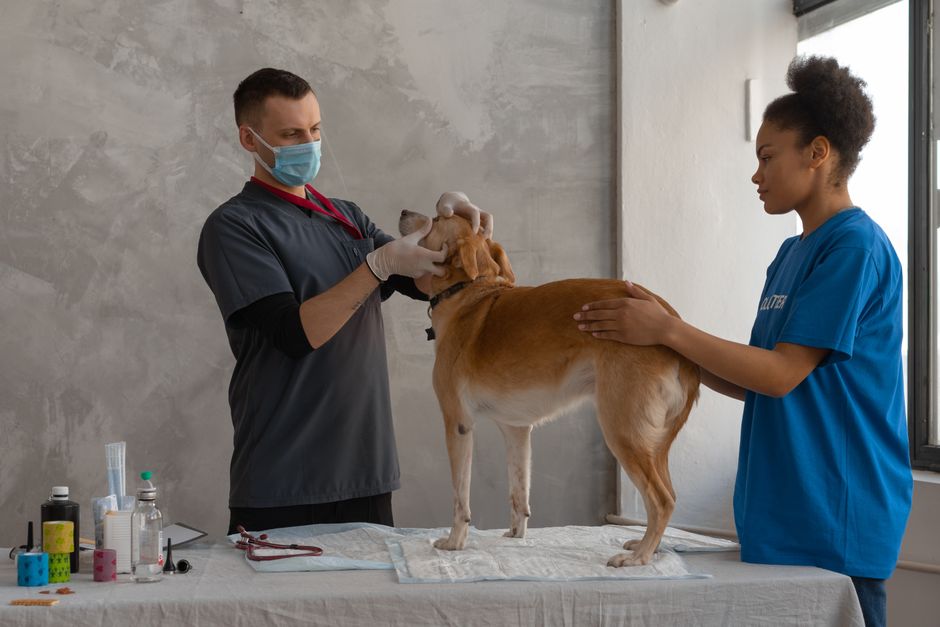
Your pet’s visit will begin with a detailed history and physical exam, focusing on the eyes and surrounding tissues. Our veterinarians use specialized tools and safe, gentle techniques to assess the surface of the eye, measure tear production, and check for corneal ulcers or scratches. If needed, diagnostic tests such as fluorescein staining, tonometry (to measure eye pressure), or in-clinic laboratory analysis may be performed to identify infections or underlying disease. You can read more about our comprehensive pet exams and diagnostic services on our website.
Treatment Options for Eye Problems
Treatment for eye issues in dogs and cats depends on the cause and severity. Common approaches involve medicated eye drops or ointments to address infection, inflammation, or dryness. In cases where a foreign body is present, our veterinarians will carefully remove the irritant and may prescribe pain relief or antibiotics to prevent complications. For more serious conditions such as corneal ulcers, glaucoma, or trauma, surgical intervention or advanced therapies may be necessary. Our veterinary team will explain each step and ensure you feel confident about your pet’s care plan.
We always tailor treatment to your pet’s specific needs and monitor progress closely, adjusting therapy as needed for optimal results.
Home Care and Preventing Eye Issues in Pets
Keeping your pet’s eyes healthy starts at home. There are several practical steps you can take to minimize the risk of eye problems and support your pet’s comfort.
At-Home Eye Care Tips
Regularly check your pet’s eyes for any changes in appearance, discharge, or signs of discomfort. If your pet is prone to allergies, consider limiting their outdoor time during high pollen days and gently wiping their face with a damp cloth after walks. Keeping your home free of dust, cleaning products, and other irritants can also help. For breeds with prominent eyes or skin folds, routine cleaning as advised by your veterinarian is especially important.
Never attempt to treat an eye injury or infection at home with human medications or over-the-counter drops, as these can worsen the problem. If you suspect your pet has something in their eye, avoid rubbing or flushing the area without professional guidance.
Staying up to date with regular pet examinations can help detect subtle eye changes before they become serious.
When to Seek Professional Veterinary Care
While some mild eye symptoms may resolve quickly with environmental adjustments, it is always safest to consult your veterinarian if you notice changes in your pet’s eyes or behavior.
You should schedule an appointment if your dog or cat develops persistent redness, swelling, discharge, or is frequently squinting. Immediate veterinary attention is necessary if your pet cannot open their eye, shows signs of severe pain, suffers a visible injury, or their vision appears suddenly impaired. Delaying care can result in permanent damage or even loss of vision.
At Partners for Pets, our team of veterinarians is equipped to handle both routine and urgent eye concerns. If you are unsure whether your pet’s symptoms are an emergency, do not hesitate to call us for advice.
Partners for Pets: Your Trusted Resource for Pet Eye Health in Pike Road
Your pet’s vision is precious, and early action is key when it comes to eye health. By recognizing the warning signs, understanding common causes, and seeking prompt veterinary care, you can protect your pet’s comfort and quality of life. Our veterinary professionals at Partners for Pets are dedicated to helping dogs and cats in Pike Road and surrounding communities enjoy clear, healthy eyes all year long.
If you notice any changes in your pet’s eyes or have questions about their eye health, schedule an appointment with our team today. You can reach us at (334) 218-4500 or visit our hospital at 11123 Chantilly Parkway Unit G, Pike Road, AL 36064. When searching online for a vet near me, remember that Partners for Pets offers the expertise, compassion, and advanced care your pet deserves. Find more information on our website or explore our emergency veterinary care services if your pet needs urgent attention.
This article is intended for informational purposes only and does not substitute for professional veterinary advice. If your pet is experiencing an eye emergency or you have concerns about their health, please contact your veterinarian promptly for individualized guidance.