How To Protect Your Cat During Rainy, Humid Fall Weather
How To Protect Your Cat During Rainy, Humid Fall Weather
As September arrives in Pike Road, AL, rainy days and muggy evenings become a familiar part of the season. While the changing weather can feel cozy for us, this combination of dampness and humidity can create unique challenges for your cat’s health and comfort. Whether your feline prefers to lounge by the window or adventurously explores screened porches, it is important to recognize how the fall climate may impact their wellbeing. At Partners for Pets, our veterinary team in Pike Road, AL is dedicated to helping you keep your cat healthy, comfortable, and safe—no matter what the weather brings.
In this blog, you will discover how to spot signs of weather-related stress or illness in your cat, learn what causes problems like hot spots and skin irritation during humid weather, and get practical tips for managing your feline’s environment through the wet fall season. We will also guide you on when to seek veterinary help and how Partners for Pets can support you with our comprehensive services, from regular wellness examinations to urgent care if needed.
Recognizing When Rainy, Humid Weather Is Affecting Your Cat
Cats are masters at hiding discomfort, which makes it especially important for pet owners to stay vigilant during seasons when weather can influence their health. In Pike Road and surrounding communities, the fall humidity and rain can create the perfect environment for skin irritation, fungal infections, and increased indoor stress, particularly for sensitive or long-haired cats.
Key symptoms that may indicate weather-related issues include excessive grooming or licking, which can lead to bald patches or “hot spots”; persistent scratching or signs of itchy skin; red or moist areas, especially around the neck, belly, or limbs; and a musty odor that suggests a developing skin infection. Some cats may also become more withdrawn or vocal if they are feeling uncomfortable, while others could experience digestive upset or changes in appetite due to increased stress from environmental changes.
Additionally, when wet weather keeps cats indoors for longer periods, you might notice changes in litter box habits, increased conflicts with other pets, or more vocalization due to boredom. Keeping an eye on these subtle shifts in behavior can help you intervene early and prevent bigger health concerns from developing.
Why Do Cats Struggle in Humid, Rainy Fall Weather?
To understand how rainy, humid conditions affect your cat, it helps to know a bit about feline physiology and behavior. Cats are naturally adapted to drier environments, and their skin relies on a balance of oils and moisture to stay healthy. When the air becomes saturated with humidity, skin can become more prone to irritation, while the dampness encourages fungal and bacterial growth on the skin surface.
For long-haired breeds or cats with dense undercoats, trapped moisture can linger against the skin, creating breeding grounds for hot spots—localized areas of inflamed, often infected skin that can appear suddenly and worsen rapidly. Even short-haired cats can be at risk if they get wet and are unable to fully dry off, particularly if indoor air remains humid or ventilation is poor.
Beyond skin concerns, rainy weather can impact your cat’s mental wellbeing. Cats thrive on routine and environmental enrichment; extended periods indoors without stimulation can increase stress, leading to over-grooming, destructive behaviors, or even urinary tract issues. For cats with a history of anxiety, the sound of heavy rain or storms can heighten their stress response and make them more likely to hide or act out.
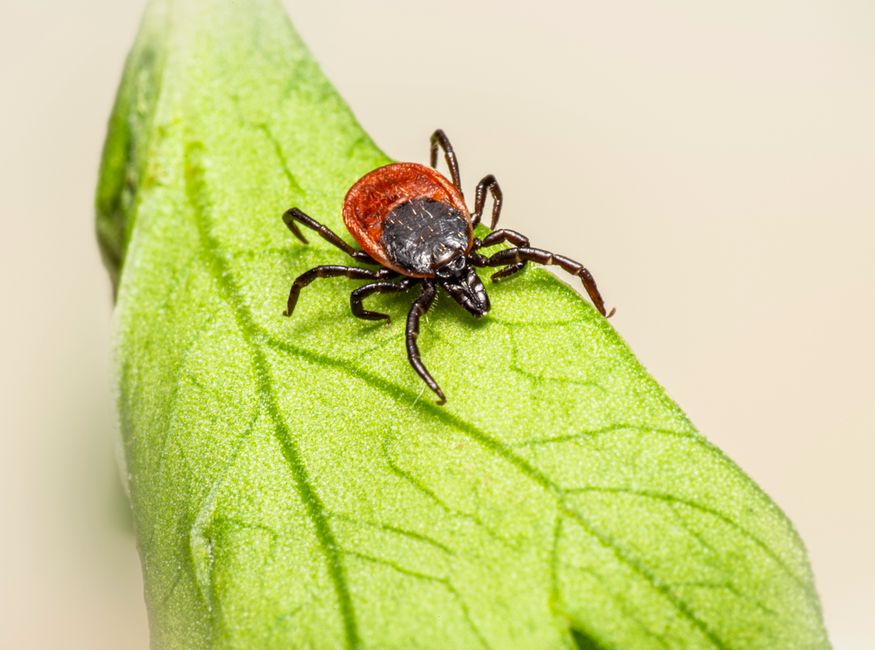
Finally, humid weather in Pike Road often coincides with increased parasite activity. Fleas and mosquitoes thrive in these conditions, posing additional risks such as flea allergy dermatitis or mosquito-borne illnesses. It is essential to maintain regular parasite prevention, especially as we move into the fall.
How Partners for Pets Diagnoses and Treats Weather-Related Cat Health Issues
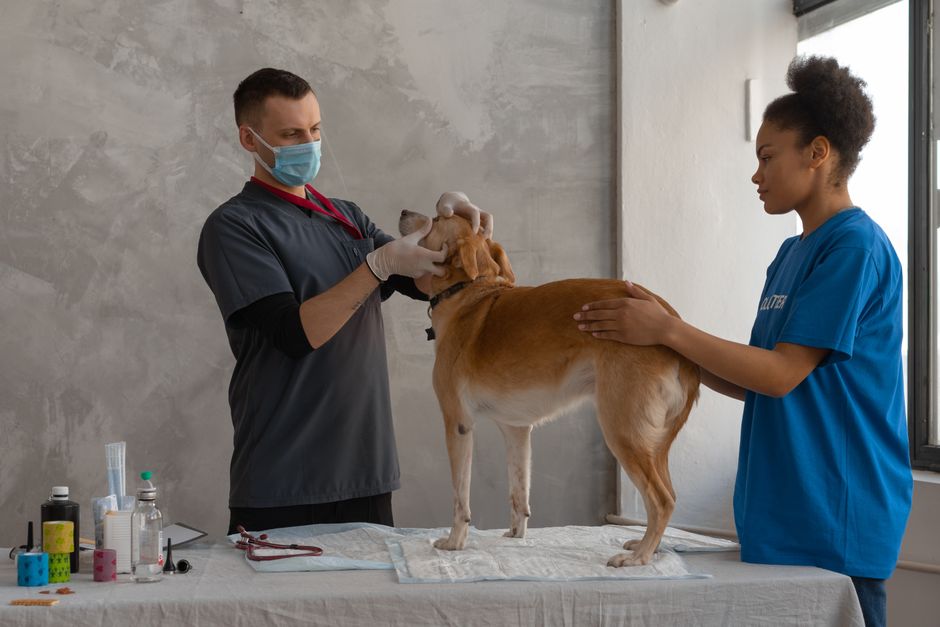
When you bring your cat to Partners for Pets for concerns related to rainy, humid weather, our veterinary team starts with a thorough clinical examination. We assess your cat’s skin and coat for signs of irritation, moisture retention, or hot spots, and ask detailed questions about recent behaviors and environmental changes. If needed, we may recommend in-clinic diagnostic testing to rule out secondary infections, fungal issues, or allergies.
Treatment approaches depend on the problem identified. For hot spots and skin infections, we typically begin with gentle cleaning of the affected area and may prescribe topical or oral medications to control infection and inflammation. For cats with fungal or yeast infections, antifungal medications may be required. If parasites are contributing to skin irritation, we will update your cat’s flea and tick prevention plan and can perform heartworm testing if mosquito exposure is a concern.
In cases where stress or behavioral changes are the main issue, our veterinarians will help you develop a plan to enrich your cat’s indoor environment and manage anxiety. This might include interactive play, safe hiding spots, pheromone diffusers, or advice on managing multi-cat households during prolonged indoor stays.
For any sudden changes in health, such as rapidly spreading hot spots, lethargy, or loss of appetite, our team can provide urgent care during regular business hours. If your cat’s condition seems severe or is not improving, we encourage you to reach out for emergency veterinary care.
Home Strategies for Preventing Fall Weather Problems in Your Cat
You can take several proactive steps at home to protect your cat from the challenges of rainy, humid fall weather. Start by maintaining a clean, dry environment. Regularly check bedding and favorite hiding spots for dampness, and run a dehumidifier if your home tends to retain moisture. Brushing your cat daily, especially for long-haired breeds, helps remove loose fur and allows you to spot early signs of skin trouble.
After your cat comes in from a screened porch or open window area, gently towel them dry if their fur feels damp. Pay close attention to the belly, armpits, and base of the tail, as these areas can trap moisture. For cats prone to hot spots or skin infections, ask your veterinarian about medicated wipes or sprays that can be used at home to keep the skin healthy.
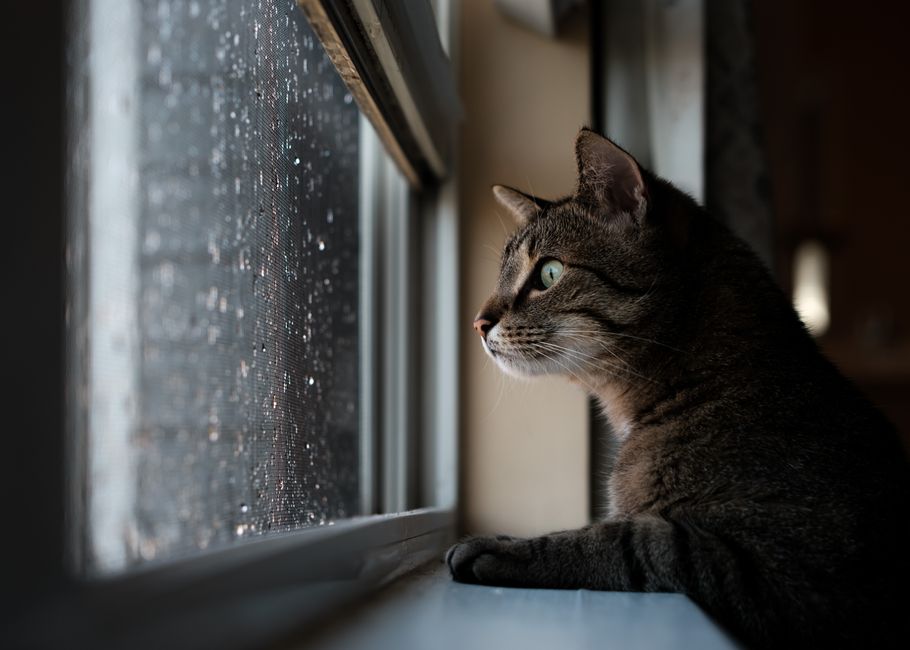
To minimize stress during extended indoor periods, provide plenty of enrichment opportunities. Rotate toys, offer puzzle feeders, and create vertical spaces like cat trees or shelves for climbing and lounging. Some cats appreciate a perch near a window to watch the rain from a safe distance, while others may need a quiet, cozy retreat if storms are loud.
Parasite prevention is especially important in the fall; continue using veterinarian-recommended flea, tick, and heartworm preventives throughout the season. For more information, visit the American Heartworm Society, which offers guidance on year-round protection for cats.
Lastly, be alert to potential household hazards. Increased indoor time means your cat may have more opportunities to explore cabinets, plants, or cleaning supplies; review safety tips from the ASPCA Animal Poison Control to keep your home feline-friendly.
When to Schedule a Veterinary Visit for Your Cat
While many minor skin irritations or behavioral shifts can be managed at home with careful observation and good preventive care, there are times when professional evaluation is essential. You should schedule an appointment at Partners for Pets if your cat develops rapidly growing hot spots, persistent itching that leads to open sores, or any signs of infection such as swelling, discharge, or a foul odor. Other reasons to seek veterinary care include sudden lethargy, loss of appetite, vomiting, or difficulty breathing—especially if your cat has a history of respiratory or heart issues that can be aggravated by humidity.
If you are unsure whether your cat needs to be seen, our veterinary team is always available to answer your questions and guide you on next steps. Early intervention not only provides relief for your cat but also prevents minor issues from becoming major concerns.
For routine monitoring, consider booking a wellness examination as the seasons change. This allows our veterinarians to assess your cat’s skin, coat, weight, and overall health, and to update preventive care as needed for the fall climate in Pike Road.
Keeping Your Cat Healthy and Comfortable All Season Long
Protecting your cat during rainy, humid fall weather in Pike Road is all about staying attentive and proactive. By recognizing the signs of weather-related discomfort, understanding why these problems occur, and taking steps to manage your cat’s environment, you can help your feline companion enjoy a healthier, less stressful season. Remember to maintain regular grooming, provide engaging indoor activities, and keep up with parasite prevention as the weather shifts.
If you notice any concerning symptoms or want peace of mind with a professional assessment, our team of veterinarians at Partners for Pets is here to support you. You can schedule an appointment for a comprehensive exam, skin evaluation, or urgent care by calling (334) 218-4500 or visiting our Pike Road location. When searching for a trusted vet near me, choose Partners for Pets for compassionate, expert care tailored to your cat’s needs throughout every season.
Your cat’s comfort and wellbeing matter to us—let us help you navigate the challenges of fall weather and keep your feline family member healthy year-round.