How To Identify Signs Of A Sensitive Stomach In Cats
How To Identify Signs Of A Sensitive Stomach In Cats
If you have noticed your cat experiencing digestive issues, you are not alone. Many cat owners wonder, “how can I make an informed decision about signs of a sensitive stomach in a cat?” At Partners for Pets, located in Pike Road, AL, we understand how concerning it can be when your feline friend is not feeling their best. Digestive upset in cats can show up as vomiting, diarrhea, or changes in appetite, and knowing what to watch for is the first step toward helping your cat feel comfortable again. In this blog, we will guide you through the most common signs of a sensitive stomach in cats, discuss what causes these issues, and explain how to make informed choices about your cat’s care. We will also offer tips for prevention, outline when to seek veterinary attention, and share how our veterinary team can support your cat’s digestive health.
Whether you have a kitten or an adult cat, understanding digestive health is essential for their wellbeing. Partners for Pets serves Pike Road and surrounding communities with comprehensive veterinary care, including wellness examinations and advanced diagnostics, so you can feel confident in the support your cat receives.
Recognizing the Signs of a Sensitive Stomach in Cats
Cats are masters at hiding discomfort, which can make it challenging to identify when your cat’s stomach is bothering them. If you are asking yourself, “how can I make an informed decision about signs of a sensitive stomach in a cat?” start by observing your cat’s daily habits and looking for changes.
Key symptoms include vomiting that occurs more than a couple of times per month, frequent or recurring diarrhea, changes in stool consistency, or increased hairballs. You may also notice your cat refusing certain foods, eating less, or showing a lack of interest at mealtimes. Sometimes, sensitive stomachs can cause a cat to lose weight, develop a dull or flaky coat, or display signs of abdominal discomfort, such as hunching, restlessness, or increased vocalization after eating.
If you find that your cat is repeatedly experiencing these symptoms—especially if they develop suddenly or worsen over time—it is important to take note of the frequency and severity. Keeping a journal of your cat’s eating habits, litter box patterns, and any episodes of vomiting or diarrhea can be very helpful when discussing your concerns with your veterinarian. This record allows your veterinary team to better understand your cat’s situation and recommend the most appropriate next steps.
Understanding What Causes Digestive Upset in Cats
Sensitive stomachs in cats can result from a variety of underlying issues. Dietary changes are a common culprit, as cats often react strongly to sudden switches in food brands, flavors, or protein sources. Food intolerances and allergies can also play a role; some cats may be sensitive to certain ingredients such as dairy, fish, or grains.
Other potential causes involve medical conditions like inflammatory bowel disease, parasites, bacterial infections, or organ dysfunction affecting the liver, pancreas, or kidneys. Stress and environmental changes, including moving to a new home or introducing new pets, can also trigger digestive upset in some cats.
It is important to remember that occasional mild digestive symptoms are not always a reason for concern, but persistent or severe signs may indicate a more serious underlying issue. In rare cases, exposure to toxins or ingestion of non-food items (such as string, plants, or chemicals) can cause significant gastrointestinal problems. If you suspect your cat has ingested something hazardous, consult the ASPCA Animal Poison Control resource for immediate guidance.
How Veterinary Professionals Diagnose and Treat Sensitive Stomachs
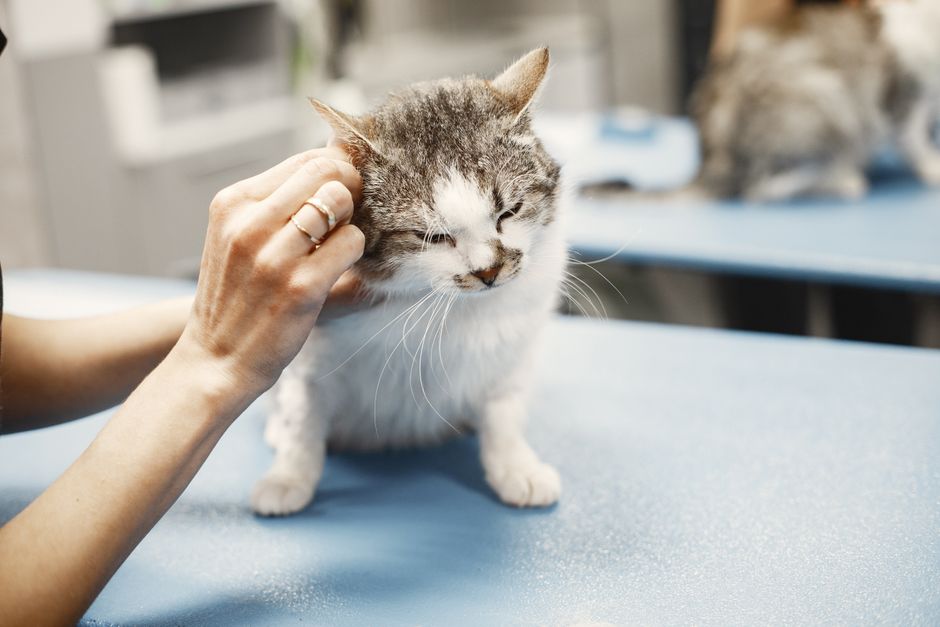
When you bring your cat to Partners for Pets for digestive concerns, our veterinarians will begin with a thorough health assessment. This includes a detailed history of your cat’s symptoms and a wellness examination to check for signs of dehydration, abdominal pain, or other health issues.
Diagnostic steps may involve in-clinic testing of blood and stool samples to rule out infections or parasites. Additional advanced diagnostics, such as pet diagnostic lab services, veterinary ultrasounds, or digital radiology, can help our veterinary team identify underlying structural or metabolic problems.
Treatment approaches depend on the underlying cause. For minor dietary sensitivities, our veterinarians may recommend a gradual switch to a highly digestible or hypoallergenic diet. Probiotics or prescription gastrointestinal foods may help restore balance to your cat’s digestive tract. When infections or parasites are present, targeted medications will be prescribed. For cats with chronic conditions such as inflammatory bowel disease, long-term management plans may involve specialized diets and medications to reduce inflammation.
Throughout this process, our veterinary team will work closely with you to ensure your cat is comfortable and receiving the best possible care. We believe clear communication is key, so we always explain test results and treatment options in detail to help you make informed decisions about your cat’s health.
At-Home Strategies to Support Your Cat’s Digestive Health
Supporting a cat with a sensitive stomach often starts at home. One of the simplest steps is to avoid sudden changes in your cat’s food. If you need to transition to a new diet, do so gradually over seven to ten days to give your cat’s digestive system time to adjust. Providing fresh water at all times, maintaining a consistent feeding schedule, and reducing environmental stressors can also make a significant difference.
Paying attention to your cat’s behavior around mealtimes and the litter box can help you spot early warning signs of digestive trouble. If your cat has been prescribed a special diet, follow your veterinarian’s instructions closely and avoid offering table scraps or treats that could upset their system. For multi-cat households, ensuring each cat has their own feeding area can help reduce stress and competition that sometimes leads to digestive upset.
Some cat owners find that regular grooming, especially for long-haired breeds, reduces the amount of hair their cat ingests, lowering the risk of hairballs and related stomach issues. If you are unsure about the best diet or home care routine for your cat, our veterinary professionals are happy to provide recommendations tailored to your cat’s unique needs.
When to Seek Veterinary Care for Digestive Concerns
Not every episode of vomiting or diarrhea requires immediate veterinary attention, but persistent or severe symptoms should never be ignored. If your cat has been vomiting or experiencing diarrhea for more than 24 hours, shows signs of lethargy, dehydration, blood in the stool or vomit, or stops eating and drinking, prompt veterinary evaluation is essential.
Sudden changes in behavior, significant weight loss, or evidence of abdominal pain are also red flags. In these cases, contacting our team at Partners for Pets for a wellness examination or, when needed, emergency veterinary care can help your cat recover quickly and comfortably.
If you are ever unsure about the severity of your cat’s symptoms, do not hesitate to reach out. Our experienced veterinary team is here to guide you through the next steps and provide reassurance, whether that involves a same-day appointment or advice on monitoring your cat at home.
How Can I Make an Informed Decision About Signs of a Sensitive Stomach in a Cat?
Understanding how to make an informed decision about signs of a sensitive stomach in a cat starts with careful observation and a willingness to seek professional guidance. By monitoring your cat’s eating habits, litter box patterns, and overall behavior, you can recognize when something is not quite right. Keeping track of any digestive symptoms and sharing this information with your veterinarian allows for a more accurate diagnosis and targeted treatment plan.
At Partners for Pets, our veterinary team in Pike Road is dedicated to supporting cat owners with compassionate, high-quality care. We encourage you to take advantage of our wellness examination and diagnostic services to get to the root of your cat’s digestive troubles. If you are searching for a veterinarian near me who truly understands feline health, our team is here to help you and your cat every step of the way.
If you have concerns or would like to schedule an appointment, contact Partners for Pets at (334) 218-4500 or visit us at 11123 Chantilly Parkway Unit G, Pike Road, AL 36064. Your cat’s health is our priority, and we look forward to helping your feline companion feel their very best.