When Should You Call an Emergency Vet?
When Should You Call an Emergency Vet? A Pet Owner’s Guide from Partners for Pets in Pike Road, AL
When an unexpected health crisis strikes your dog or cat, every moment counts. As a pet owner, knowing when to call an emergency vet can make all the difference in protecting your companion’s health—and possibly even saving their life. At Partners for Pets, located at 11123 Chantilly Parkway Unit G, Pike Road, AL 36064, our veterinary team understands how frightening and stressful pet emergencies can be. This guide will help you recognize the signs that your pet may need urgent attention, understand common causes of emergencies, learn what to do in a crisis, and know when to seek immediate help. We’ll also share how our comprehensive emergency veterinary care services can support you and your pet during these critical moments.
Recognizing a Pet Emergency: When Is It Time to Call the Emergency Vet?
Many pet owners wonder if their dog or cat’s symptoms truly warrant a call to an emergency vet. Symptoms that suggest a true emergency include difficulty breathing, collapse, sudden inability to stand or walk, uncontrolled bleeding, repeated vomiting or diarrhea (especially if there is blood), seizures, trauma such as being hit by a car, pale gums, sudden swelling of the abdomen, or signs of extreme pain such as vocalization or restlessness. Additionally, if your pet has ingested something toxic, such as human medications, household cleaners, or plants known to be poisonous to pets, immediate action is needed. Some emergencies are less obvious but still require rapid response; these include straining to urinate with no result, bloating, inability to deliver puppies or kittens during labor, or exposure to extreme heat or cold.
If you notice any of these signs, do not wait to see if your pet improves. Rapid intervention can be life-saving. For more details on urgent situations, you can review our emergency veterinary care services and what to expect when you arrive at Partners for Pets.
Understanding Common Causes of Pet Emergencies
Emergencies in dogs and cats often occur without warning, but understanding the underlying causes can help you act quickly. Trauma is a leading cause of emergencies and may result from car accidents, falls, animal fights, or being struck by objects. Poisonings also occur frequently, whether from ingesting chocolate, certain plants, human medication, or household chemicals. Heatstroke is a particular concern in Alabama’s warm climate, especially if pets are left outside during summer months or in parked cars. Blockages, such as a foreign object lodged in the digestive tract or a urinary obstruction, can quickly become life-threatening. Heart conditions, sudden allergic reactions, and complications during pregnancy and delivery are also among the most common emergency scenarios we see at our Pike Road veterinary hospital.
Recognizing the cause of your pet’s distress can help you communicate vital information to our veterinary professionals while en route to the clinic, ensuring the fastest and most effective care for your pet.
What Happens When You Bring Your Pet to the Emergency Vet?
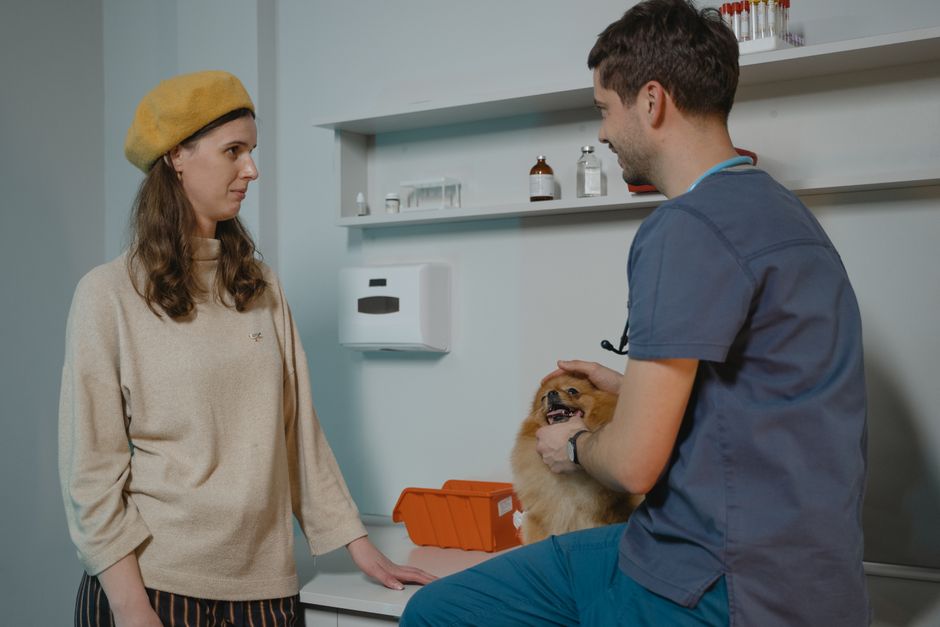
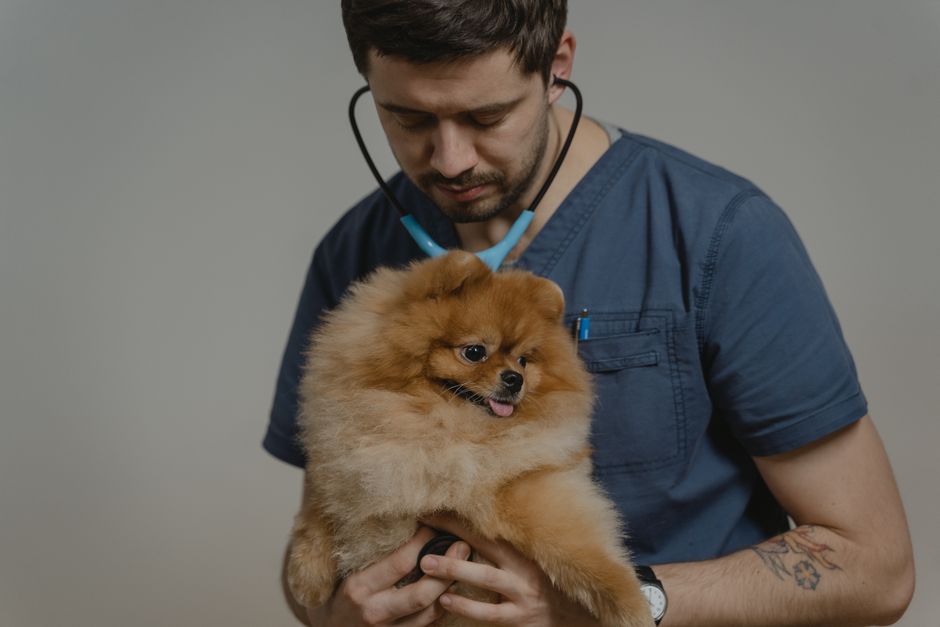
When you arrive at Partners for Pets with a pet emergency, our veterinary team acts swiftly to assess the situation. We begin with a triage process, which means we evaluate your pet’s condition to determine the most urgent needs. Immediate stabilization may involve oxygen therapy, intravenous fluids, pain management, or controlling severe bleeding. Diagnostic tests such as digital radiology or in-clinic lab work may be used to quickly identify the underlying problem; for example, we can perform in-clinic diagnostic testing to check for organ function, infection, or toxin exposure. In some cases, advanced imaging or emergency surgery may be necessary. Our hospital is fully equipped to handle a wide range of emergency situations, from trauma and poisoning to blockages and acute illnesses.
Throughout the treatment process, our veterinary professionals communicate with you about your pet’s condition, options for care, and what to expect going forward. We know how important clear information is during stressful times.
Steps to Take at Home in a Pet Emergency
While some situations clearly require immediate transport to an emergency vet, there are steps you can take at home to help your pet before and during the trip. If your pet is bleeding, gentle pressure with a clean cloth can help slow blood loss. If your cat or dog is choking but still breathing, keep them calm and avoid forcing anything into their mouth. For toxin ingestion, gather the packaging or name of the substance to inform your veterinarian—do not try to induce vomiting unless specifically instructed by a veterinary professional. In cases of heatstroke, move your pet to a cool area and offer small amounts of water, but do not immerse them in ice-cold water, as rapid cooling can be harmful.
Always prioritize your own safety; frightened or painful pets may bite or scratch. If you are unsure what to do, call our team for guidance. For poisoning emergencies, you may also consult the ASPCA Animal Poison Control resources for expert advice.
How to Prevent Common Pet Emergencies
Many emergencies can be prevented with proactive care and attention to your pet’s environment. Keep household toxins, medications, and dangerous foods out of reach. Supervise pets outdoors, especially near roads or in hot weather. Regular veterinary checkups can catch developing health issues before they become serious. For example, maintaining up-to-date vaccinations and parasite prevention helps reduce the risk of infectious diseases and certain emergencies. Spaying or neutering your pet can prevent complications related to reproduction. For older pets, routine bloodwork and health monitoring may detect problems such as heart disease or organ dysfunction early, allowing for prompt management.
Creating a pet first-aid kit at home and knowing the location of your nearest emergency vet are also practical steps to help you act quickly if an emergency arises. Education and preparation are key elements in keeping your pet safe year-round.
When Should You Seek Professional Veterinary Care?
A key question for every pet owner is knowing when to call the emergency vet versus when to monitor at home. If your pet’s symptoms are severe, sudden, or rapidly worsening, err on the side of caution and seek immediate veterinary attention. Signs such as difficulty breathing, collapse, unresponsiveness, repeated seizures, uncontrolled bleeding, or suspected poisoning should always be treated as emergencies. Even if you are unsure, contacting our veterinary team for advice is the safest approach.
If your pet is experiencing symptoms that persist but are not immediately life-threatening, such as mild limping, minor vomiting, or a single episode of diarrhea, schedule an appointment for a timely evaluation. Remember, some conditions that seem minor can rapidly become serious, so monitoring your pet closely and seeking advice when in doubt is important.
Partners for Pets: Your Emergency Vet Resource in Pike Road, AL
At Partners for Pets, our commitment to your pet’s health extends beyond routine checkups and preventive care. We know that emergencies are unpredictable, and we are here to help you navigate these challenging moments with compassion and expertise. Our veterinary professionals have the training, equipment, and experience to provide life-saving care when your pet needs it most. Whether you live in Pike Road or the surrounding communities, you can rely on our team for both emergency and ongoing veterinary care.
If you are searching for a "vet near me" who can provide prompt, comprehensive emergency care, look no further than Partners for Pets. For more information about our services, including what to expect during an emergency visit, please review our emergency veterinary care page.
Take Action: Be Prepared and Know Where to Turn
Pet emergencies are stressful, but with preparation and the right veterinary partner, you can ensure your dog or cat receives the care they need. Save our contact information, know the signs of an emergency, and do not hesitate to call us at (334) 218-4500 or visit us at 11123 Chantilly Parkway Unit G, Pike Road, AL 36064 whenever you have concerns. Our veterinary team is here to help you act quickly and confidently in any crisis. When every second counts, Partners for Pets is your trusted emergency vet in Pike Road, AL.
For additional resources on pet emergencies, or to learn more about our diagnostic and radiology capabilities, we invite you to explore our in-clinic diagnostic testing and digital radiology services. Remember, when your pet’s health is at stake, taking prompt action can make all the difference.