Preventing Fleas and Ticks: Essential Spring Tips for Pike Road Pets

Preventing Fleas and Ticks: Essential Spring Tips for Pike Road Pets
As spring brings warmer temperatures and longer days to Pike Road and surrounding communities, many pet owners find themselves facing a familiar challenge—fleas and ticks. These persistent parasites can quickly turn outdoor adventures or even a simple walk around the yard into a risk for your dog or cat. At Partners for Pets, our veterinary team in Pike Road, AL is committed to helping you protect your pets from fleas and ticks all year long, but especially as springtime activity increases parasite exposure. In this blog, you will learn how to recognize signs of flea and tick problems, understand why spring is such a critical time for prevention, explore effective treatment options, and discover practical steps you can take at home to keep your pets comfortable and healthy. We will also explain how our comprehensive veterinary care, including wellness examinations and year-round parasite prevention guidance, supports lasting protection for your pets.
Recognizing Flea and Tick Issues in Your Pets
Identifying flea and tick problems early is key to minimizing discomfort and preventing serious health issues for your dog or cat. Fleas are tiny, fast-moving insects that often cause intense itching, redness, and hair loss. You may notice your pet scratching persistently, especially around the base of the tail, belly, or behind the ears. In some cases, you might see small, dark specks (known as flea dirt) or even live fleas scurrying through the fur. Cats may develop areas of irritated skin or even small scabs and bald spots, while dogs can suffer from hot spots or secondary skin infections if the problem is not addressed quickly.
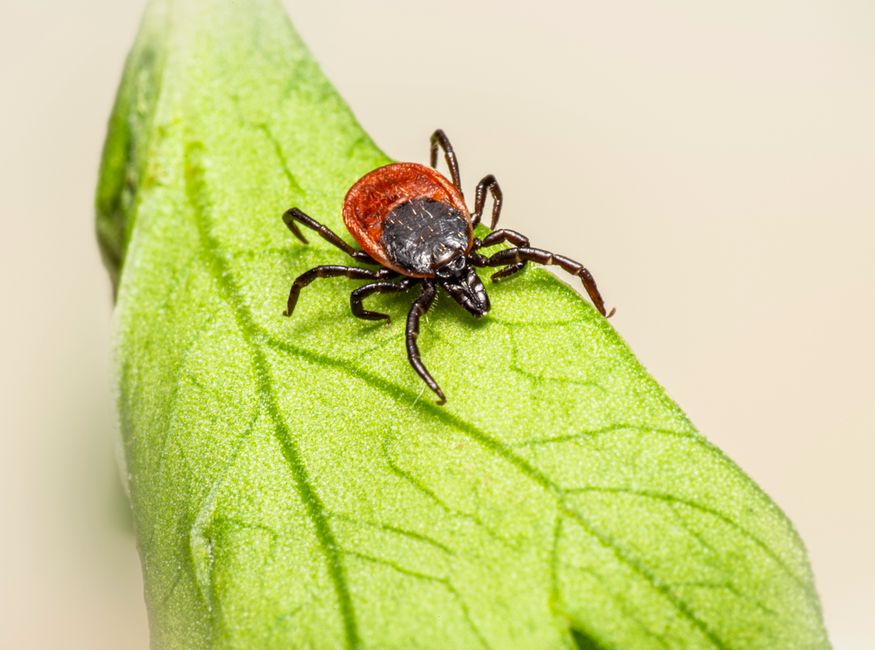
Ticks, on the other hand, attach themselves to your pet’s skin to feed on blood. They tend to be most noticeable as small, round bumps on the ears, neck, between the toes, or in the armpits. As ticks feed and engorge, they become easier to spot, but their bites can transmit diseases even before they are visible. Key symptoms to watch for after a tick bite include lethargy, reduced appetite, joint swelling, or fever. Because symptoms of tick-borne diseases can be subtle at first, it is important to check your pets regularly for ticks and monitor for any changes in behavior or health.
Why Spring Brings a Surge in Fleas and Ticks
Springtime in Alabama is prime season for fleas and ticks to thrive. As temperatures rise above 50°F and rainfall increases, dormant flea eggs and tick larvae begin to hatch in outdoor environments. The moist, warm conditions in grass, shrubs, and leaf litter provide a perfect habitat for these parasites to multiply rapidly. Wildlife such as squirrels, raccoons, deer, and stray animals can also carry fleas and ticks into your yard, increasing the risk of exposure for your pets.
While fleas are notorious for their ability to infest both pets and homes, ticks are especially concerning due to the diseases they can transmit. In Pike Road and the greater Montgomery region, ticks commonly carry pathogens that cause Lyme disease, ehrlichiosis, and anaplasmosis. Even pets who spend most of their time indoors are not immune; fleas can be brought inside on shoes, clothing, or other animals, leading to infestations that are difficult to eliminate without professional guidance. The combination of local climate and outdoor wildlife activity makes spring a time when proactive flea and tick prevention should be a top priority for every pet owner.
Treatment Options for Flea and Tick Infestations
If you discover fleas or ticks on your dog or cat, prompt action is essential to relieve discomfort and reduce the risk of related health issues. The veterinarians at Partners for Pets offer a range of safe, effective treatments tailored to your pet’s age, health status, and lifestyle. For flea infestations, treatment approaches often involve prescription oral or topical medications that kill adult fleas and disrupt the life cycle to prevent re-infestation. In severe cases, additional therapies may be needed to address skin irritation, allergic reactions, or secondary infections.
When it comes to ticks, the first step is safe removal using tweezers or a tick-removal tool, being careful to grasp the tick close to the skin and pull gently to avoid leaving mouthparts behind. Our team may recommend diagnostic testing for tick-borne diseases if your pet has a history of tick exposure or is showing signs of illness. Preventive medications are highly effective in killing ticks before they can transmit disease, and many modern products protect against both fleas and ticks with a single monthly dose.
Because over-the-counter treatments can vary in their effectiveness and safety, it is best to consult with our veterinary team before starting any new medication. We are happy to review your pet’s medical history and recommend products that will offer the best protection with minimal risk of side effects. Our online pharmacy enables you to conveniently order trusted, veterinary-recommended flea and tick preventives for home delivery. Explore our online pharmacy for Pike Road pet medications and preventives for more information.
Practical Steps to Prevent Fleas and Ticks at Home
The most effective approach to flea and tick control is a combination of veterinary-prescribed preventives and practical home strategies. Year-round use of a quality flea and tick preventive is essential, as skipping even a single month can leave your pet vulnerable to new infestations. In addition to medication, regular grooming and bathing can help you spot parasites early and keep your pet’s coat healthy. Thoroughly inspecting your dog or cat after walks, especially if they have been in wooded or grassy areas, is another valuable habit.
Maintaining a clean home environment also plays a significant role in reducing parasite risk. Frequent vacuuming of carpets, upholstery, and pet bedding helps remove eggs and larvae before they can mature. Washing your pet’s bedding and toys in hot water, as well as keeping your yard trimmed and free of leaf litter, reduces the habitats where fleas and ticks thrive. Outdoor treatments for yards may offer additional protection, but always consult with your veterinarian to ensure any products used are safe for pets.
For households with multiple pets, treating all animals at the same time is critical to preventing flea and tick populations from rebounding. Even pets that do not go outside should be included in your prevention plan, since fleas and ticks can hitch a ride indoors on people or other animals. If your pet is due for a checkup, our team can include a parasite risk assessment and recommend the best products during your next wellness examination.
When to Seek Veterinary Care for Flea and Tick Issues
While mild infestations may be managed at home with veterinary-prescribed preventives, certain situations require prompt medical attention. You should schedule a visit with our veterinary team if your pet is experiencing intense itching that does not improve, has areas of skin that are raw or infected, or is losing hair in large patches. Additional red flags include visible signs of illness such as fever, lethargy, lameness, or loss of appetite, which could indicate a tick-borne disease or severe flea allergy dermatitis.
If you are unsure whether your pet’s symptoms are related to fleas or ticks, or if you have tried over-the-counter products without success, a professional examination is the best next step. Our veterinarians can perform a thorough assessment, recommend diagnostic tests if needed, and develop a customized treatment plan. For emergencies involving severe allergic reactions, sudden weakness, or evidence of anemia (such as pale gums), contact our team immediately for emergency veterinary care.
Partners for Pets: Your Ally in Year-Round Parasite Prevention
Protecting your pets from fleas and ticks is a team effort, and Partners for Pets is here to support you every step of the way. Our veterinary professionals in Pike Road, AL provide comprehensive preventive care, including regular pet examinations, tailored parasite prevention plans, and access to safe, effective medications. Whether your dog loves hiking local trails or your cat prefers sunbathing in the backyard, our team is committed to keeping them healthy and comfortable all year long.
If you are searching for a veterinarian near me who truly cares about your pet’s well-being, look no further than Partners for Pets. Schedule an appointment today by calling (334) 218-4500 or visiting our hospital at 11123 Chantilly Parkway Unit G, Pike Road, AL 36064. Our veterinary team is proud to serve Pike Road and surrounding communities with the highest standard of care. Let us help you keep your pets safe, happy, and parasite-free this spring and throughout the year.
This blog provides general information and is not a substitute for professional veterinary advice. Always consult with your veterinarian regarding your pet’s specific needs and health concerns.