Pet Vaccinations in Pike Road: What Every Owner Should Know

Pet Vaccinations in Pike Road: What Every Owner Should Know
Keeping your pet healthy and protected is every owner’s top priority, but it’s easy to wonder whether your dog or cat is truly up to date on their vaccines. At Partners for Pets, our veterinary team in Pike Road, AL, often hears questions about which shots are necessary, when they should be given, and why regular immunizations matter for both puppies and kittens as well as adult pets. If you have concerns about pet vaccinations, this guide will help you understand the essentials, from recommended vaccine schedules to the role these injections play in long-term wellness. By the end, you’ll know how proactive care at our 11123 Chantilly Parkway Unit G, Pike Road, AL 36064 can help keep your furry family members safe, healthy, and ready to enjoy every season. If you’re ready to schedule your pet’s next vaccination appointment, our team is here to support you with expert guidance and compassionate care.
Recognizing When Your Pet Needs Vaccinations
As a pet owner, you may be unsure whether your animal needs another round of shots or if they are fully protected. Key situations that signal your pet may need vaccinations include welcoming a new puppy or kitten into your home, adopting an adult pet with an unknown medical history, or realizing your pet’s last vaccine was given more than a year ago. Other signs to watch for are changes in your pet’s risk level; for example, if your dog starts going to daycare or your cat begins exploring outdoors, their exposure to contagious diseases increases. In Pike Road and the surrounding communities, local outbreaks or seasonal disease trends can also make timely vaccines crucial. If you’re uncertain about your pet’s vaccine status, a wellness examination with our veterinarians is the best way to review their medical records and determine what’s needed to keep them protected.
Understanding Why Pet Vaccinations Are Essential
Vaccines are a cornerstone of preventive veterinary medicine, designed to protect pets from serious and potentially life-threatening diseases. In Pike Road, common threats like rabies, parvovirus, distemper, and leptospirosis can be present year-round due to our warm, humid climate and local wildlife. For cats, core vaccines also protect against viral infections such as feline herpesvirus and calicivirus. Vaccinations work by helping the immune system recognize and fight off specific pathogens before they cause illness. This not only keeps your individual pet safe but also helps limit the spread of contagious diseases within the community. Vaccines are especially important for young pets, as their immune systems are still developing; however, adult dogs and cats need regular boosters to maintain their immunity as well.
Our veterinary team at Partners for Pets tailors vaccine recommendations to your pet’s age, lifestyle, and health status. For example, indoor-only cats may have different needs than those who venture outside, and dogs who travel or visit boarding facilities might require extra protection. Every pet’s situation is unique, so we take time during each visit to review your pet’s risk factors and discuss the best vaccination plan for their needs.
Recommended Vaccine Schedules for Dogs and Cats
Following the right vaccination schedule is essential to ensure maximum protection for your pet. For puppies and kittens, the process usually begins at six to eight weeks old with a series of initial shots spaced every three to four weeks until they reach about sixteen weeks of age. Key vaccines for puppies include those for distemper, parvovirus, adenovirus, parainfluenza, and rabies. Kittens typically receive vaccinations for feline herpesvirus, calicivirus, panleukopenia, and rabies as well. After this initial series, adult pets require regular booster shots to reinforce their immunity. For most dogs and cats, annual or triennial boosters are recommended depending on the specific vaccine and your pet’s lifestyle.
In some cases, additional vaccines may be advised. For example, dogs living in areas where Lyme disease or leptospirosis is present, or those who frequently visit groomers, dog parks, or boarding facilities, might need extra protection. Cats that spend time outdoors or live in multi-pet households may benefit from vaccines against feline leukemia virus. Our team will help you determine which optional vaccines are right for your pet and ensure you stay on track with their preventive care schedule.
For a closer look at the specific vaccination services we offer, including core and lifestyle vaccines, visit our pet vaccination services page.
What Happens During a Vaccine Appointment?
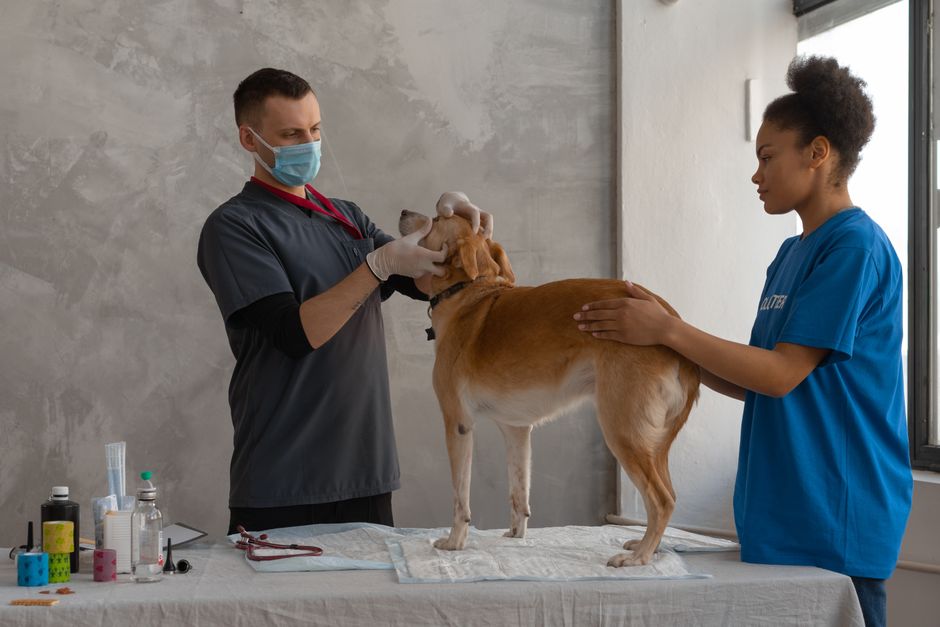
When you bring your pet to Partners for Pets for vaccinations, the appointment involves more than just a quick injection. Our veterinarians always begin with a thorough physical examination to check your pet’s overall health and discuss any changes in their lifestyle or environment. This helps us identify any underlying concerns that could impact your pet’s vaccine needs or response. We’ll review your pet’s medical history, answer your questions, and discuss the benefits and any potential side effects of each vaccine. After administering the appropriate shots, our team will provide guidance on what to expect at home and when to return for boosters. Your pet’s comfort and safety are our top priorities, and we aim to make the experience as stress-free as possible for both you and your furry companion.
The Role of Vaccinations in Disease Prevention
Vaccinations are one of the most effective tools for preventing infectious disease in pets. In Pike Road, certain illnesses are more prevalent due to our local climate and wildlife population. For example, rabies is a risk in areas with raccoons, bats, and other wild animals, making rabies vaccination not only vital for your pet’s safety but also required by Alabama law. Canine parvovirus and distemper can be especially dangerous for puppies, causing severe gastrointestinal and respiratory symptoms that can be fatal without prompt treatment. Regular vaccines help shield pets from these threats, greatly reducing the likelihood of serious illness.
Additionally, some diseases prevented by vaccines can be transmitted to people (zoonotic diseases). Rabies is a prime example and underscores the importance of keeping your pet’s immunizations current for the safety of your entire family. For dogs in Pike Road and surrounding areas, annual heartworm testing and prevention are also key; while heartworm itself is not prevented by vaccines, maintaining a regular schedule of preventive care appointments ensures your pet is protected from multiple threats at once. If you want to learn more about heartworm disease and prevention, the American Heartworm Society offers detailed educational resources.
Home Care Steps and Supporting Your Pet’s Immunity
While vaccines are critical, there’s more you can do at home to support your pet’s immune health and reduce disease risk. Providing balanced nutrition, maintaining regular exercise, and minimizing stress all contribute to a healthy immune system. Good hygiene, such as cleaning food and water bowls frequently and keeping litter boxes tidy, helps limit exposure to infectious agents. For dogs, avoiding contact with wildlife and unknown animals can further reduce the chance of encountering diseases like rabies or leptospirosis. For cats, keeping them indoors or supervised outdoors lowers the risk of picking up contagious illnesses.
It’s also important to watch for any changes in your pet’s behavior or health, such as lethargy, decreased appetite, coughing, sneezing, or vomiting. These symptoms can indicate an underlying infection or reaction that needs prompt veterinary attention. If you notice anything unusual, our team is here to help evaluate your pet and provide appropriate care.
When to Seek Veterinary Care for Vaccinations
Scheduling regular veterinary visits is the foundation of effective preventive care. If your pet has missed a booster, is overdue for their annual checkup, or you’re unsure about their vaccine status, it’s best to call and book an appointment with our team. Puppies and kittens should start their vaccines as soon as possible; delaying shots can leave them vulnerable to serious disease. Adult pets should receive boosters as recommended, even if they appear healthy. If your pet will be traveling, boarding, or attending daycare, make sure their vaccinations are up to date well in advance.
In rare cases, pets can experience mild side effects after vaccination, such as slight swelling at the injection site, mild fever, or decreased appetite. These usually resolve within a day or two, but if you notice persistent vomiting, swelling of the face, difficulty breathing, or other concerning symptoms, contact us immediately for guidance. Our veterinarians are always available to answer your questions and ensure your pet receives the safest, most effective care.
For urgent concerns that cannot wait until your scheduled visit, our emergency veterinary care services are available to support you and your pet in times of need.
Protecting Your Pet’s Future Health With Partners for Pets
Vaccinating your pet is one of the simplest and most effective ways to safeguard their health against preventable diseases. At Partners for Pets, we are committed to providing comprehensive, individualized vaccination plans for every dog and cat in Pike Road and the surrounding communities. Our veterinary professionals take the time to explain your options, answer your questions, and make each visit as comfortable as possible for both you and your pet. When searching for a trusted vet near me, you can rely on our team’s experience and dedication to preventive care.
If you’re ready to schedule your pet’s next vaccine appointment or have questions about pet vaccinations, contact our team at (334) 218-4500 or visit us at 11123 Chantilly Parkway Unit G, Pike Road, AL 36064. You can also explore our vaccination services or schedule a wellness examination to review your pet’s complete preventive care needs. We look forward to partnering with you to keep your furry family members healthy, happy, and protected for years to come.
This blog is intended for informational purposes only. For specific medical concerns or to determine the best vaccination schedule for your pet, please consult directly with your veterinarian.