Dental Care for Dogs and Cats: Preventing Periodontal Disease
Dental Care for Dogs and Cats: Preventing Periodontal Disease
Are you noticing your dog or cat has bad breath, or perhaps you have spotted some yellowing on their teeth? You are not alone—many pet owners in Pike Road and surrounding communities find themselves unsure about what is normal when it comes to their pet’s mouth. Dental health is a crucial, yet often overlooked, aspect of overall pet wellness. At Partners for Pets, located at 11123 Chantilly Parkway Unit G, Pike Road, AL 36064, our veterinary team is dedicated to helping you protect your dog’s or cat’s teeth and gums for a healthier, happier life. In this blog, we will explore how to recognize the signs of dental disease, what causes periodontal problems, how our team can help, and what you can do at home to keep your pet’s smile bright. Whether you are concerned about persistent bad breath, red or swollen gums, or just want to know more about preventive pet dental care, you will find answers and guidance here.
How to Tell If Your Pet Needs Dental Care
It is easy to dismiss a bit of doggy breath or a cat’s reluctance to chew as minor quirks, but these could be early warning signs of dental disease. Periodontal disease is the most common dental issue seen in both dogs and cats, and it can develop silently over time. Key symptoms include persistent bad breath that does not improve with diet changes, yellow or brown buildup—known as tartar—on the teeth, red or bleeding gums, and sensitivity around the mouth. Additionally, you might notice your pet dropping food, chewing on one side of the mouth, pawing at their face, or even showing changes in behavior such as irritability or reluctance to play with chew toys. In advanced cases, teeth may become loose or fall out, and you might see swelling beneath the eyes or along the jawline, which can indicate an infection. Cats may also develop a condition called stomatitis, where the entire mouth becomes inflamed and painful.
If you observe any of these signs, it suggests your pet could be developing periodontal disease, and a dental examination by our veterinary professionals is strongly recommended. Early intervention can prevent pain and more serious health complications.
Why Do Dogs and Cats Get Periodontal Disease?
Periodontal disease begins when bacteria in your pet’s mouth combine with food particles to form plaque on the teeth. If not removed, this sticky film hardens into tartar, which collects along the gumline and creates the perfect environment for bacteria to thrive. Over time, this process inflames the tissues that support the teeth—namely the gums and bone—leading to gingivitis and, eventually, periodontal disease. Factors that contribute to dental disease include poor oral hygiene, diet, breed predisposition (small breed dogs and some cats are at higher risk), age, and immune status.
The warm, moist environment of a pet’s mouth means bacteria can multiply quickly, making dental disease a progressive issue. Without treatment, bacteria from the mouth can even enter the bloodstream, affecting vital organs like the heart, liver, and kidneys. This is why routine dental care is an essential part of your pet’s overall health plan.
Professional Dental Treatment Options at Partners for Pets
When your dog or cat shows signs of dental disease, or as part of a regular preventive care routine, professional treatment at a veterinary clinic is crucial. At Partners for Pets, our team provides comprehensive dental care tailored to your pet’s needs. Dental cleanings for pets are more complex than brushing at home; they require specialized equipment and anesthesia to ensure every tooth and gum surface is thoroughly cleaned, even below the gumline where most disease occurs.
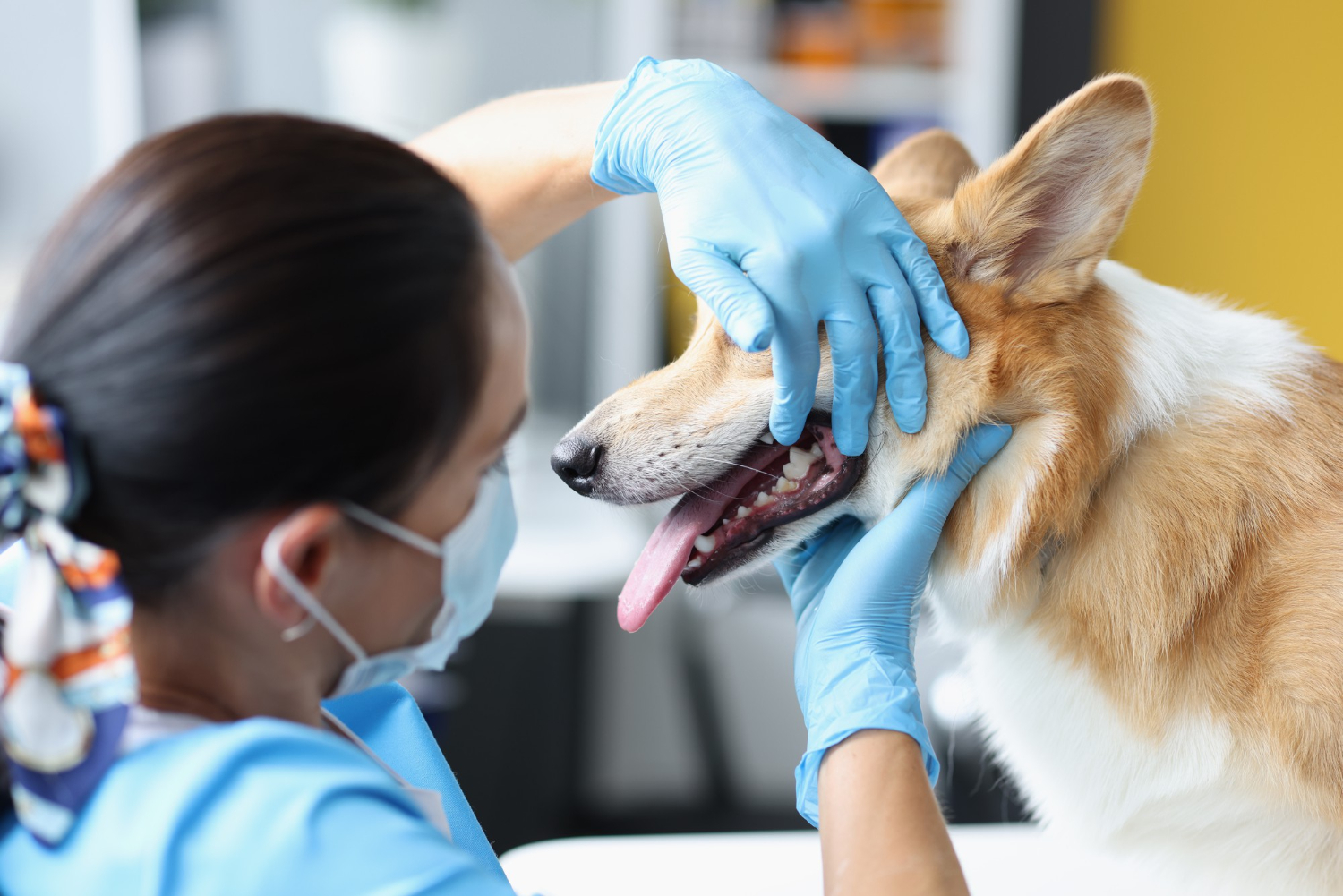
A typical dental procedure begins with a complete oral exam, followed by scaling and polishing to remove plaque and tartar. We use ultrasonic and hand tools designed specifically for animals, and every dental cleaning is performed under anesthesia for your pet’s comfort and safety. In some cases, dental radiographs (X-rays) are necessary to assess tooth roots and surrounding bone, which helps us catch issues not visible on the surface.
If advanced dental disease is found, treatments may involve oral surgery or tooth extractions. Our veterinary team offers pet dental cleaning services as well as professional pet oral surgery and dental surgery when needed. For severely damaged or infected teeth, pet tooth extraction services are available to relieve pain and restore your pet’s health.
After the procedure, we will provide you with detailed aftercare instructions and recommendations for ongoing home dental care, ensuring your pet’s recovery and future mouth health are well supported.
Preventing Periodontal Disease: Home Dental Care Tips
While professional dental cleanings are vital, much of your pet’s dental health is maintained at home. Establishing a routine can make all the difference in preventing plaque and tartar buildup. Brushing your pet’s teeth daily, or at least several times per week, is the gold standard; use a pet-specific toothbrush and veterinary-approved toothpaste, as human products can be harmful to pets. If your pet is new to toothbrushing, start slow by letting them lick the toothpaste and gradually introducing the brush. Consistency and patience are key.
In addition to brushing, dental diets, treats, and chews designed to reduce plaque can be helpful. Look for products with the Veterinary Oral Health Council (VOHC) seal, which indicates proven effectiveness. Chew toys can also promote dental health by mechanically cleaning teeth as your dog or cat plays, but always choose size- and strength-appropriate toys to avoid accidental tooth fractures.
Regularly inspect your pet’s mouth for changes, such as red gums, broken teeth, or unusual odors. Early detection of problems can make treatment easier and less invasive. Remember, some pets—especially cats—may never fully accept toothbrushing, so talk to our veterinary team about alternative options that suit your pet’s personality and needs.
When to Schedule a Veterinary Dental Visit
Knowing when to seek professional help is crucial for your pet’s well-being. You should schedule a veterinary dental examination if your pet shows signs like persistent bad breath, visible tartar, bleeding gums, difficulty eating, or mouth pain. Sudden changes in behavior, drooling, or swelling around the face and jaw are also cause for concern. Even if your pet seems comfortable, dental disease can progress painlessly until it becomes severe.
We recommend annual dental checkups for all adult dogs and cats, and more frequent visits for breeds prone to dental problems or pets with a history of oral disease. Preventive exams allow us to catch issues early, before they become more difficult and costly to address. If you have a new puppy or kitten, our team can provide guidance on starting dental care right from the beginning, establishing lifelong habits for a healthier mouth.
If you are unsure whether your pet needs a dental cleaning, our veterinary professionals can assess their oral health during a routine wellness examination and make personalized recommendations.
Why Choose Partners for Pets for Dental Care in Pike Road?
Choosing the right veterinary team for your pet’s dental care means peace of mind and the best possible outcome for your companion. At Partners for Pets, our veterinarians combine advanced training with genuine compassion for every animal we see. From preventive dental cleanings to complex oral surgeries, we use state-of-the-art equipment and proven techniques to ensure your pet receives the highest quality care.
Our location in Pike Road, AL makes us a convenient choice for pet owners in the area and surrounding communities. We are committed to building long-term relationships with you and your pets, offering guidance and support at every stage of life. Our comprehensive approach means your pet’s dental health is always part of their overall wellness plan.
If you are searching for a "vet near me" who prioritizes dental health as part of complete wellness, look no further than Partners for Pets.
Ready to Protect Your Pet’s Smile? Contact Partners for Pets Today
Your dog’s or cat’s oral health is a key part of their happiness and longevity. Preventing periodontal disease starts with awareness, routine care at home, and regular visits to your trusted local veterinary team. If you have noticed signs of dental disease, or if it has been a while since your pet’s last dental checkup, we encourage you to schedule an appointment with our caring veterinarians. Whether your pet needs a dental cleaning, oral surgery, or tooth extractions, we are here to help.
Call us at (334) 218-4500 or visit our hospital at 11123 Chantilly Parkway Unit G, Pike Road, AL 36064 to schedule your pet’s dental exam. Our team is always happy to answer your questions and provide the support you need to keep your pet’s teeth healthy and their tail wagging. For more information about our dental care services, explore our website or reach out to our veterinary professionals today.
This blog is for informational purposes only and should not replace professional veterinary care. If your pet is experiencing dental pain or sudden changes in behavior, contact a veterinarian promptly for a thorough evaluation.