Spring Pet Allergies: Keeping Your Dog or Cat Comfortable

Spring Pet Allergies: Keeping Your Dog or Cat Comfortable
As spring arrives in Pike Road and the surrounding communities, many pet owners notice their dogs and cats scratching, sneezing, or licking more often. These behaviors often signal the arrival of spring allergies, a common concern in our region due to the abundance of blooming flowers, fresh grass, and increased pollen counts. At Partners for Pets, located at 11123 Chantilly Parkway Unit G, Pike Road, AL 36064, our veterinary team understands how frustrating seasonal allergies can be for both pets and their families. In this blog, we’ll help you recognize the signs of spring allergies in pets, explain why they happen, discuss how to manage and prevent discomfort, and let you know when to seek professional veterinary care. Our compassionate approach is designed to keep your furry family members healthy, happy, and comfortable all season long.
How to Recognize Spring Allergies in Dogs and Cats
Springtime in Pike Road brings warmer weather and longer days, but it also signals a spike in environmental allergens like pollen, grass, and mold spores. For many pets, this means the onset of allergy symptoms that can affect their skin, ears, eyes, and overall comfort. Knowing the signs of allergies can help you catch issues early before they become more severe.
Common symptoms of spring allergies in pets include persistent scratching or licking, especially around the paws, belly, or ears. You might notice your dog or cat rubbing their face on furniture or carpeting, which often indicates itching or irritation. Other signs to watch for are red, inflamed, or scabbed skin; frequent ear shaking; head tilting; watery eyes; sneezing; and increased shedding. Some pets may develop hot spots, which are painful, moist patches of skin, or experience hair loss in areas they lick or scratch repeatedly.
In addition to these visible symptoms, some pets become more irritable or restless due to constant discomfort. Cats may groom excessively or hide more often, while dogs might become less interested in walks or playtime. If you notice any of these changes, it’s a good idea to monitor your pet closely and consider scheduling a pet wellness examination to discuss your concerns with our veterinary professionals.
Why Do Pets Get Spring Allergies?
Just like people, dogs and cats can develop allergies when their immune systems overreact to otherwise harmless substances in the environment. In the spring, the most common triggers include tree and grass pollens, weed pollens, mold spores, and sometimes even dust mites that become more active as the weather warms up.
The process begins when a pet comes into contact with or inhales these allergens. For some pets, their bodies treat the allergens as threats, triggering an inflammatory response that leads to itching, redness, and other symptoms. Dogs, especially those with certain breeds like retrievers and terriers, tend to show more skin-related allergy signs, while cats might display respiratory symptoms such as sneezing or watery eyes.
The climate in Pike Road and the River Region often means a longer allergy season due to mild winters and early spring blooms. This can make managing pet allergies a recurring challenge for local families. Additionally, pets who spend a lot of time outdoors or enjoy rolling in the grass are more likely to collect pollen on their fur and skin, increasing their exposure.
Treating and Managing Spring Allergies: What to Expect at Partners for Pets
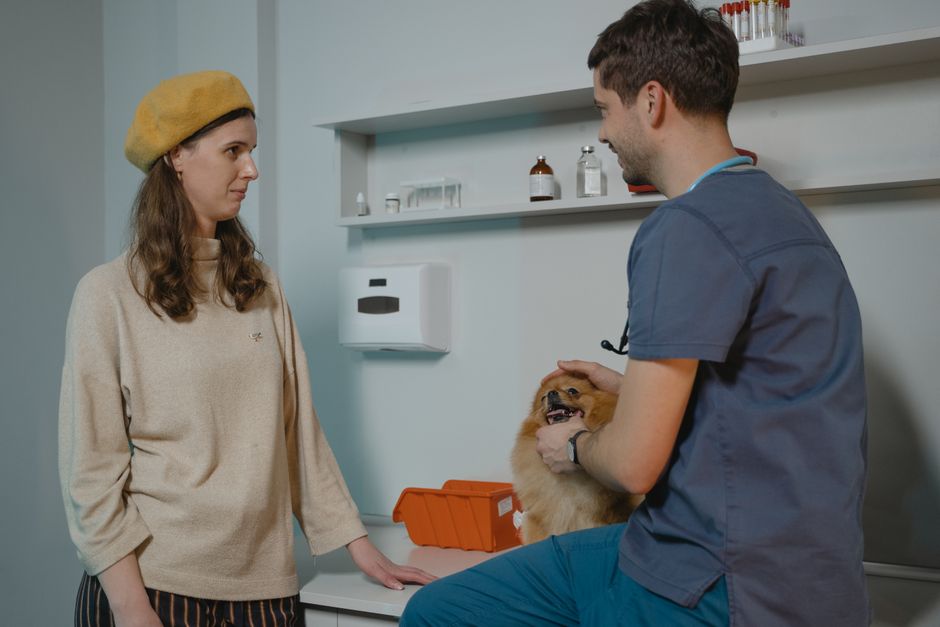
When your pet is suffering from spring allergies, our veterinary team at Partners for Pets can help with a range of diagnostic and treatment options tailored to your pet’s individual needs. During your visit to our Pike Road location, we’ll start with a comprehensive examination to assess your pet’s overall health and identify the underlying cause of their symptoms.
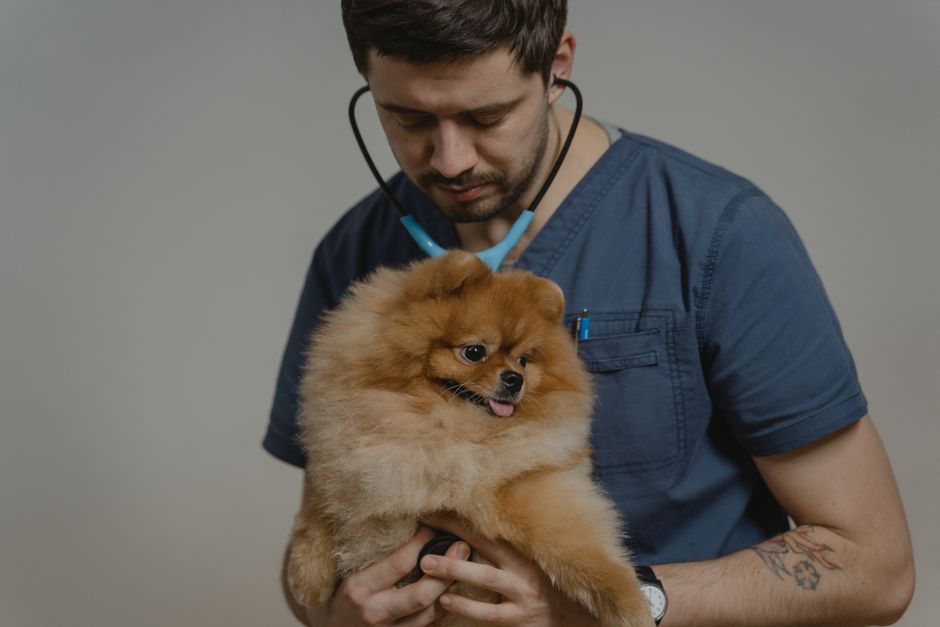
Diagnostic approaches include a review of your pet’s history, a physical exam focusing on their skin, ears, and eyes, and sometimes in-clinic diagnostics such as skin scrapings or cytology to rule out infections or parasites. If needed, our team may recommend in-clinic diagnostics to help pinpoint the cause of your pet’s discomfort.
Treatment options for spring allergies in pets involve several strategies. We may prescribe antihistamines, special shampoos or topical treatments, and in some cases, anti-inflammatory medications to reduce itching and inflammation. For pets with chronic symptoms, we might suggest allergy testing or immunotherapy. Ear infections related to allergies are also common, and our veterinarians can provide appropriate ear medications to relieve symptoms and prevent complications.
If your pet’s allergies are causing severe discomfort or secondary infections, additional treatments such as antibiotics or medicated baths may be necessary. Throughout the process, we’ll work with you to develop a plan that fits your pet’s lifestyle and your family’s needs, making adjustments as needed to ensure your pet feels their best.
Simple Steps for Managing Spring Allergies at Home
While veterinary care is essential for diagnosing and treating allergies, there are many steps you can take at home to keep your pet comfortable during allergy season. After spending time outdoors, gently wipe your dog’s or cat’s paws and coat with a damp cloth to remove pollen and reduce allergen exposure. Regular bathing with a veterinarian-recommended shampoo can also help wash away irritants and soothe itchy skin.
Keeping your home clean is another important strategy. Frequent vacuuming, washing pet bedding in hot water, and using air purifiers can all help minimize indoor allergens. For pets prone to ear infections, routine ear cleaning as directed by your veterinarian can prevent buildup of allergens and reduce the risk of inflammation.
Diet can also play a role in managing allergies. Providing a balanced, high-quality diet supports your pet’s immune system and skin health. If you suspect food sensitivities, our veterinarians can discuss potential dietary adjustments during your next appointment.
Monitor your pet closely for changes in their symptoms and avoid outdoor activities during peak pollen days when possible. If your pet takes any prescribed allergy medications or topical treatments, follow your veterinarian’s instructions carefully and notify us if you notice side effects or worsening symptoms.
When Should You Seek Veterinary Care for Pet Allergies?
Not all itchiness or sneezing means your pet is suffering from allergies, but persistent or severe symptoms always warrant a professional evaluation. You should schedule an appointment with our veterinary team if your pet experiences constant scratching, biting, or licking that leads to raw skin or sores; repeated ear infections; significant hair loss; or any signs of pain or distress. Other warning signs include swelling, difficulty breathing, vomiting, or diarrhea, which may indicate a more serious allergic reaction or another underlying condition.
In some cases, untreated allergies can lead to secondary infections or chronic skin problems that require more intensive care. Our comprehensive pet exams and in-clinic diagnostics allow us to identify the root cause and develop an effective treatment plan, giving your pet the best chance for lasting relief.
If you’re ever unsure about your pet’s symptoms or how to help them, our veterinarians are here to answer your questions and provide guidance. For more information about common pet health concerns, you can also visit our FAQ page.
Helping Your Pet Enjoy a Comfortable Spring in Pike Road
Spring allergies are a common challenge for pets in Pike Road and the surrounding communities, but with attentive care and the right support from your trusted veterinary team, your dog or cat can enjoy the season in comfort. By recognizing allergy symptoms early, taking preventive steps at home, and seeking timely veterinary care, you can keep your furry family member healthy, active, and happy all spring long.
If you notice signs of allergies in your pet or want to discuss preventive strategies tailored to your pet’s unique needs, we encourage you to schedule an appointment with our veterinarians at Partners for Pets. Our experienced team is dedicated to helping Pike Road pets live their best lives, no matter the season. When searching for a veterinarian near me, know that our hospital is committed to providing comprehensive, compassionate care for every stage of your pet’s life.
To book your next visit, call us at (334) 218-4500 or stop by our convenient Pike Road location. For more tips on pet health and wellness, explore our Partners for Pets blog. We look forward to helping your pet have a happier, healthier spring!
This blog is for informational purposes only and is not a substitute for professional veterinary advice. If your pet is experiencing severe or sudden symptoms, seek veterinary care promptly.